The Young Eugene V. Debs
A pair of leftist historians has undertaken a massive project: compiling a six-volume collection of Eugene Debs’s writings and speeches. We spoke with one of them, who detailed Debs’s extraordinary journey from moderate young trade union leader to courageous socialist militant.
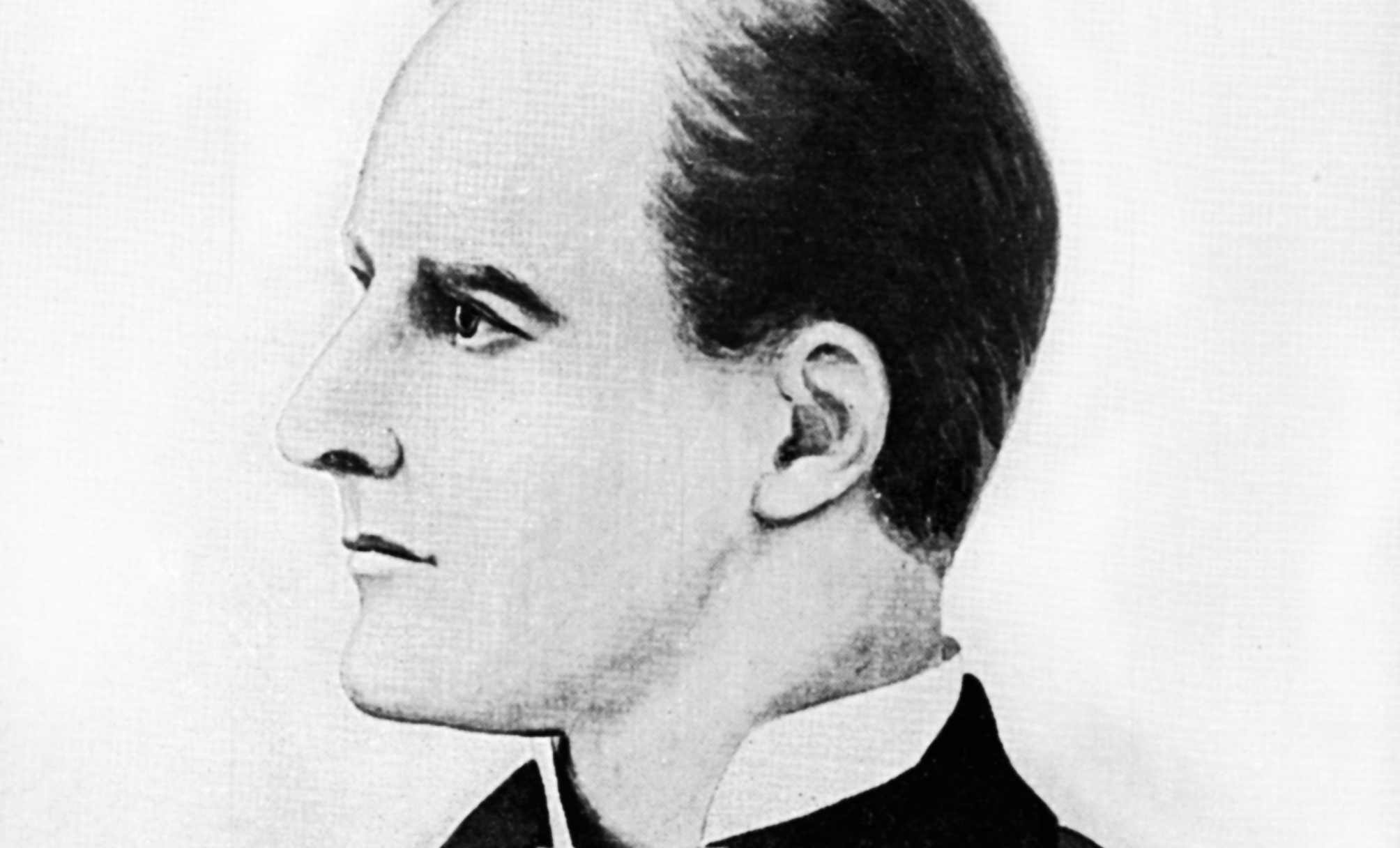
A drawing of Eugene Debs from the 1895 book A Momentous Question.
“In the gleam of every bayonet and the flash of every rifle the class struggle was revealed,” Eugene V. Debs wrote in 1902, recalling the state violence used to put down the Pullman Strike he had led eight years earlier. “This was my first practical lesson in Socialism.”
Debs had come a long way. Known today for his blistering denunciations of militarism and Gilded Age plutocracy, Debs — born in 1855 — started out as a moderate trade union leader. The Pullman Strike, which broke out among workers with the Pullman Palace Car Company in 1894 and quickly rocketed across the railroad, was one in a series of events that pulled Debs to the left.
The first two volumes of The Selected Works of Eugene V. Debs, an ambitious new collection that will eventually comprise six installments, cover these earlier years of Debs’s life. Jacobin’s Shawn Gude spoke with Tim Davenport, one of the coeditors of The Selected Works, about how he got into the project, Debs’s transformation from moderate to militant, and the socialist leader’s relevance to today’s struggles for justice and democracy.