Solidarity Should Be the Basis of White Anti-Racism, Not “Allyship”
The great black freedom struggles of the past have been joined by many white people — not just out of a sense of moral obligation or sympathy for the oppressed, but out of a sense of shared interest and a desire for collective liberation. That spirit of solidarity should be central to anti-racist struggle today.
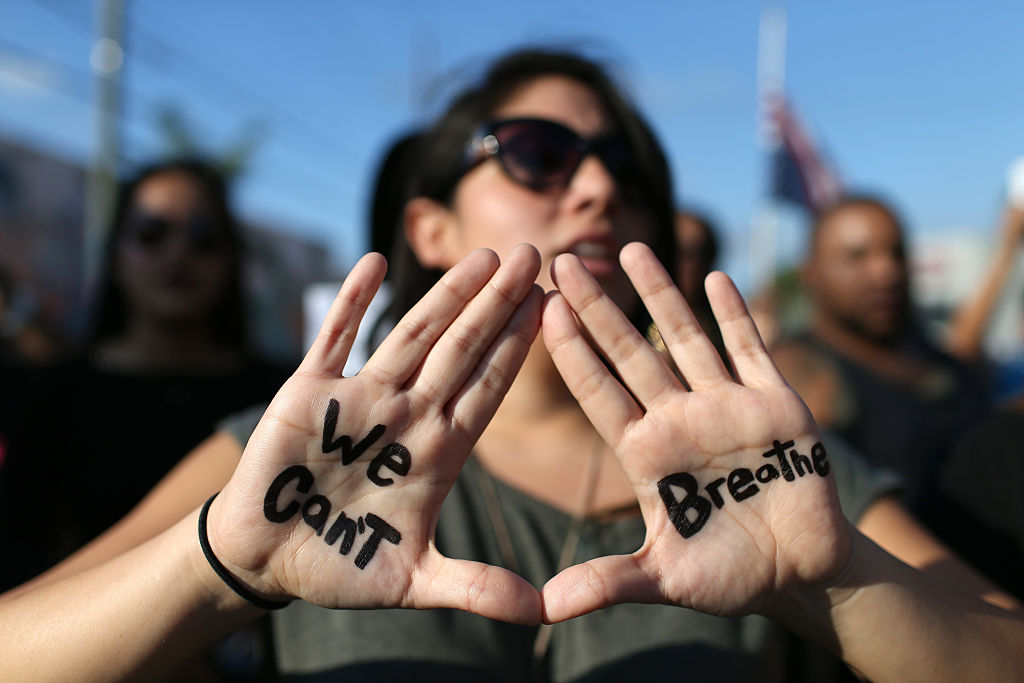
Demonstrator in Miami, Florida. (Joe Raedle / Getty Images)
We are in the middle of one of the most inspiring protest upsurges in the United States in decades. Mass demonstrations against racist police violence have swept the country since the police murder of George Floyd, demanding an end to state murders of unarmed black people and racial inequality more generally.
Protesters have persisted in the face of vicious police rioting and repressive curfews. The number of protests has waned in recent weeks, as all protest upsurges eventually do. But they are still going strong throughout much of the country and have produced a massive ideological shift, making defunding the police a mainstream policy proposal. Elected officials in some cities, with varying degrees of sincerity, are arguing for or have already pledged to cut police budgets.
The protests have inspired many white Americans to reflect on the persistence of racism in the United States and their role in changing it. One common framework for reflection involves asking how white people can be good allies to people of color.