Why They Killed Patrice Lumumba
Patrice Lumumba was a radical leader of the Congolese independence movement who resisted Belgian colonialism and corporate interests. That’s why he was assassinated in a US-backed coup 59 years ago today.
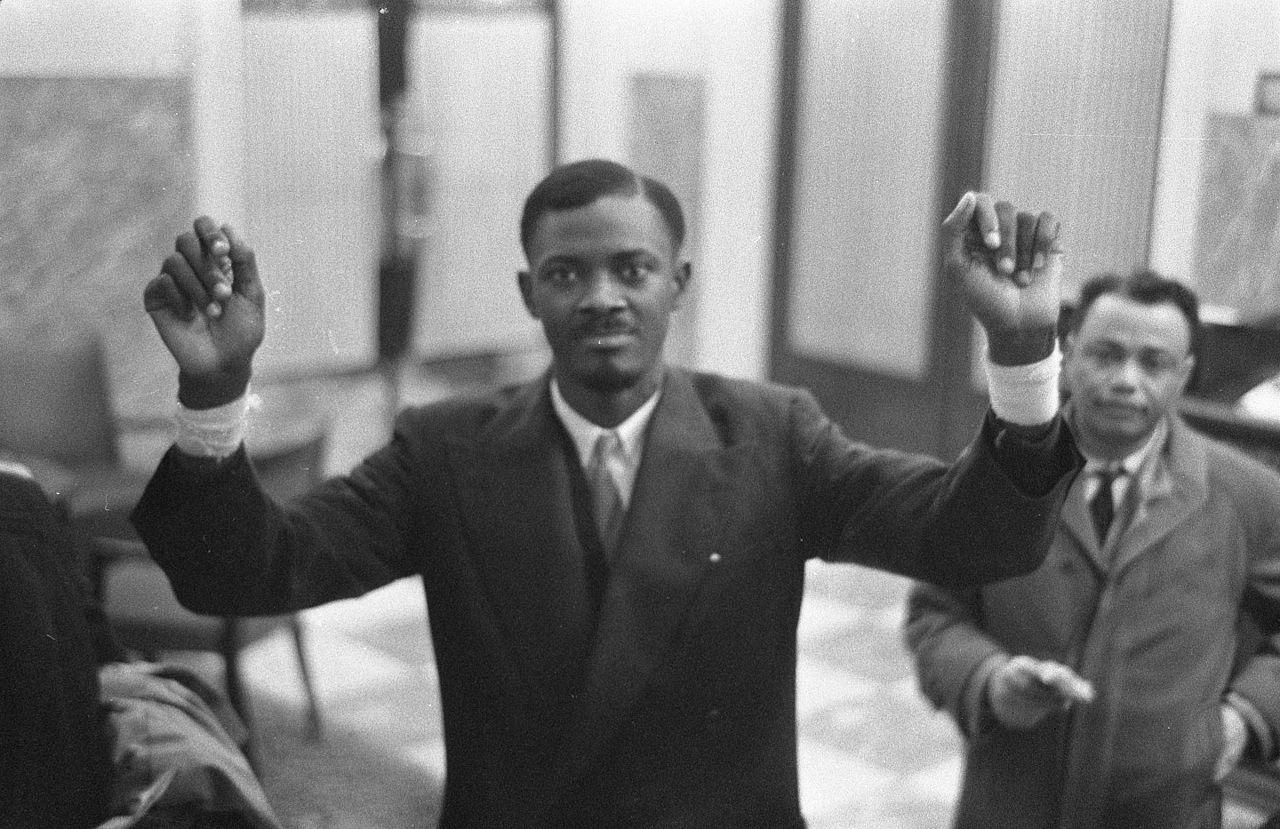
Congolese leader Patrice Lumumba in Brussels, Belgium, in January 1960. Wikimedia Commons
Born in 1925, Patrice Émery Lumumba was a radical anticolonial leader who became the first prime minister of the newly independent Congo at the age of thirty-five. Seven months into his term, on January 17, 1961, he was assassinated.
Lumumba had become an opponent of Belgian racism after being jailed in 1957 on trumped-up charges by the colonial authorities. Following a twelve-month prison term, he found a job as a beer salesman, during which time he developed his oratory skills and increasingly embraced the view that Congo’s vast mineral wealth should benefit the Congolese people rather than foreign corporate interests.
Lumumba’s political horizons extended far beyond the Congo. He was soon caught up in the wider wave of African nationalism sweeping the continent. In December 1958, Ghanaian president Kwame Nkrumah invited Lumumba to attend the anti-colonial All African People’s Conference, which attracted civic associations, unions, and other popular organizations.