No Rational System Would Value Tesla at $100 Billion
Today’s investors are easily swayed by snake oil salesmen like Elon Musk, but not interested in the things we need for long-term development.
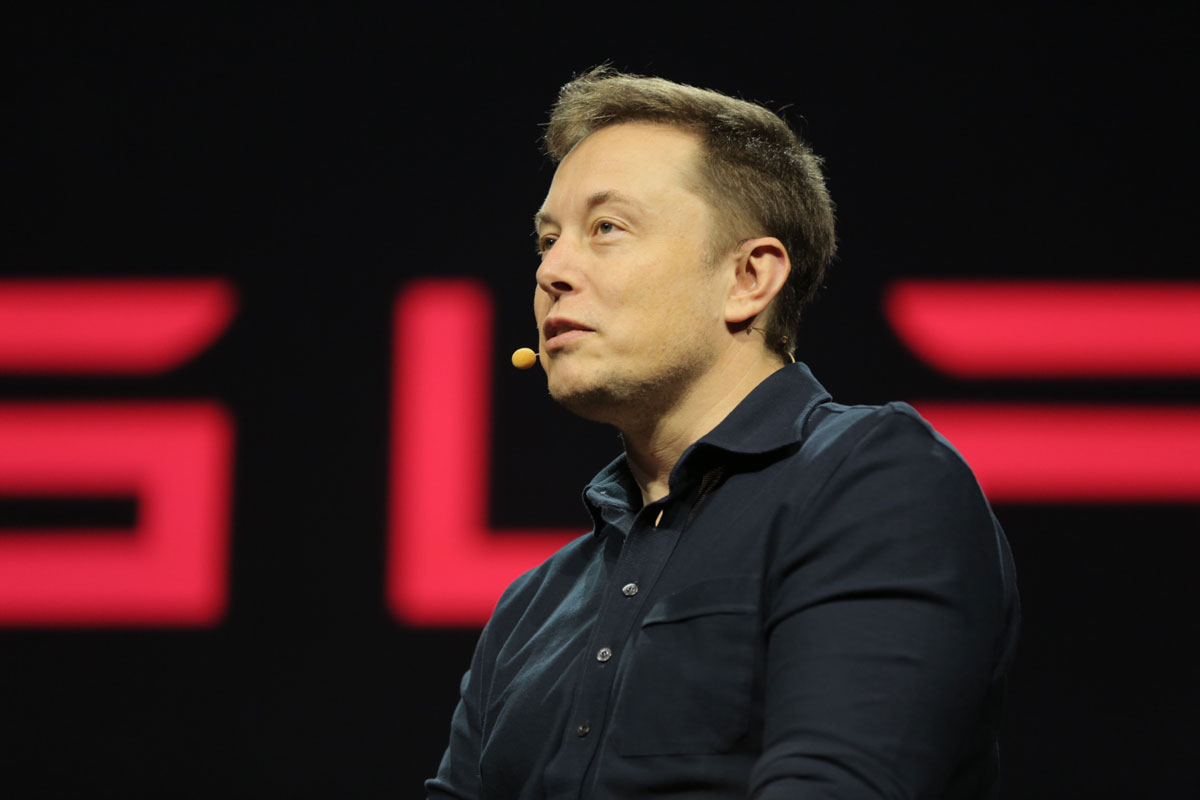
The CEO of Tesla, Elon Musk, speaks at a conference on March 17, 2015. (Flickr)
It’s official — Tesla’s stock market value has topped $100 billion. After a heady three-month surge, the electric car company’s stock reached $571 this week. If things keep up, in six months Tesla CEO Elon Musk will be in line for a $346 million bonus.
For the short sellers who have lost billions in the past few weeks, Tesla’s recent ascent is a painful surprise. But they can be forgiven for their misjudgment — the last couple of years have been rough for the company. Musk got in trouble with the Securities and Exchange Commission for illegal tweets and got sued by a British Good Samaritan who objected to being called a pedophile and child rapist. More broadly, the electric car manufacturer has been plagued by more nuts-and-bolts problems, its struggle to meet production targets.
Things are coming up roses for Tesla in 2020, however, which raises the question: How is it that a company whose electric vehicles struggle to make the trip from San Francisco to Reno, and makes a fraction of the cars produced by General Motors, is the most valuable car company in the world by market capitalization? (GM is still worth more measured by enterprise value.)