Corporations Would Literally Kill You to Turn a Profit
Coca-Cola killed trade unionists in Latin America. General Motors built vehicles known to catch fire. Tobacco companies suppressed cancer research. And Boeing knew that its planes were dangerous. Corporations don't care if they kill people — as long as it's profitable.
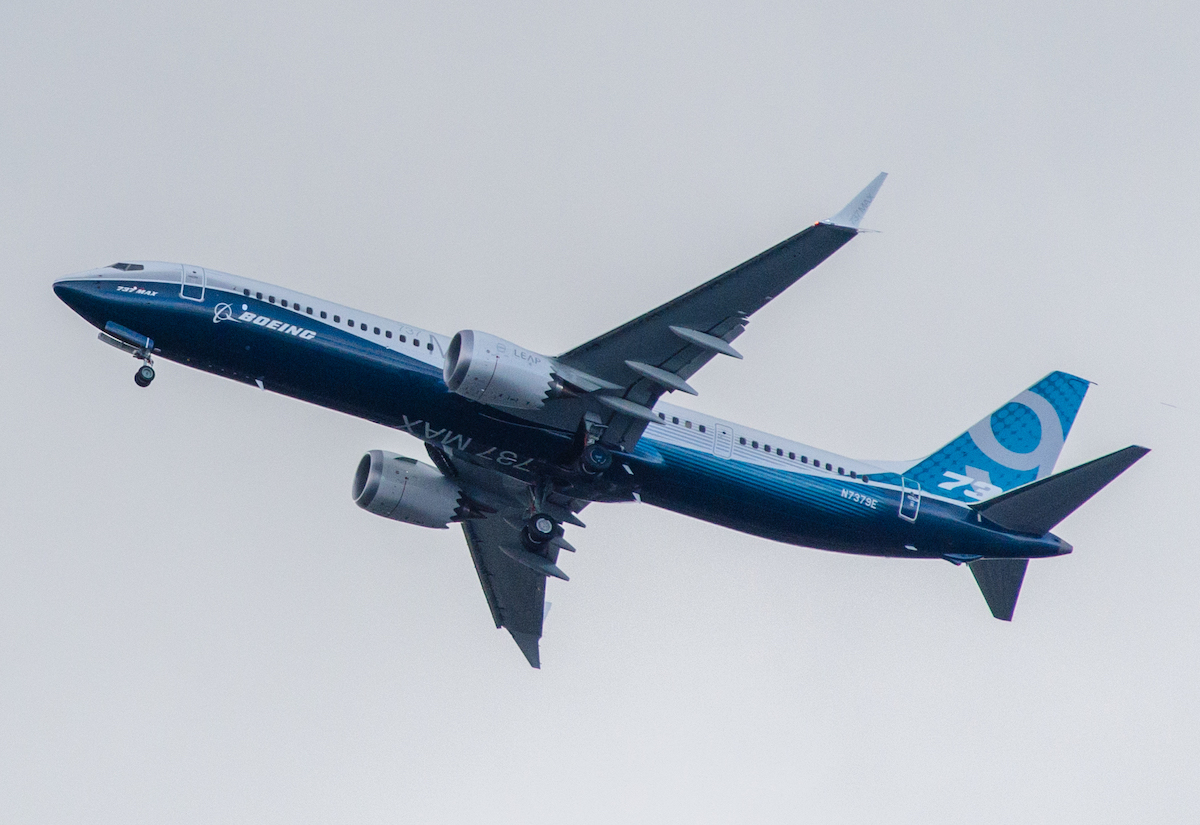
A Boeing 737 MAX 9 in its first flight on April 13, 2017. Wikipedia
Boeing’s dirty laundry was aired this month when the company released over a hundred pages of emails and instant messages exchanged by employees of the aerospace company to congressional investigators. The communications offered a grim snapshot of Boeing corporate culture — high-level employees insulting the intelligence of FAA officials, discussing ways to mislead aviation regulators, lamenting their own moral turpitude.
Lawmakers professed shock at the documents, calling them “astonishing and appalling” and “incredibly damning.” House Committee on Transportation and Infrastructure chair Peter DeFazio said the emails “paint a deeply disturbing picture of the lengths Boeing was apparently willing to go in order to evade scrutiny from regulators, flight crews, and the flying public.”
In a piece for the Financial Times, Bjorn Fehrm, an analyst at aviation consulting firm Leeham, blames Boeing’s apparent “cultural problem” on its merger two decades ago with defense contractor McDonnell Douglas, whose CEO Harry Stonecipher prioritized the company’s bottom line above all else. Cynthia Cole, a former engineer at Boeing, agrees. In an October 2019 interview with NPR, Cole says that following the buyout in 1997, safety and quality began “taking a second seat to schedule and cost.”