The Last Days of the BBC?
Streams of reports point out the bias at work in BBC’s politics coverage. As it edges ever closer to Britain’s Conservative Party this election campaign, it’s clear the public broadcaster needs radical reform if it is to be saved.
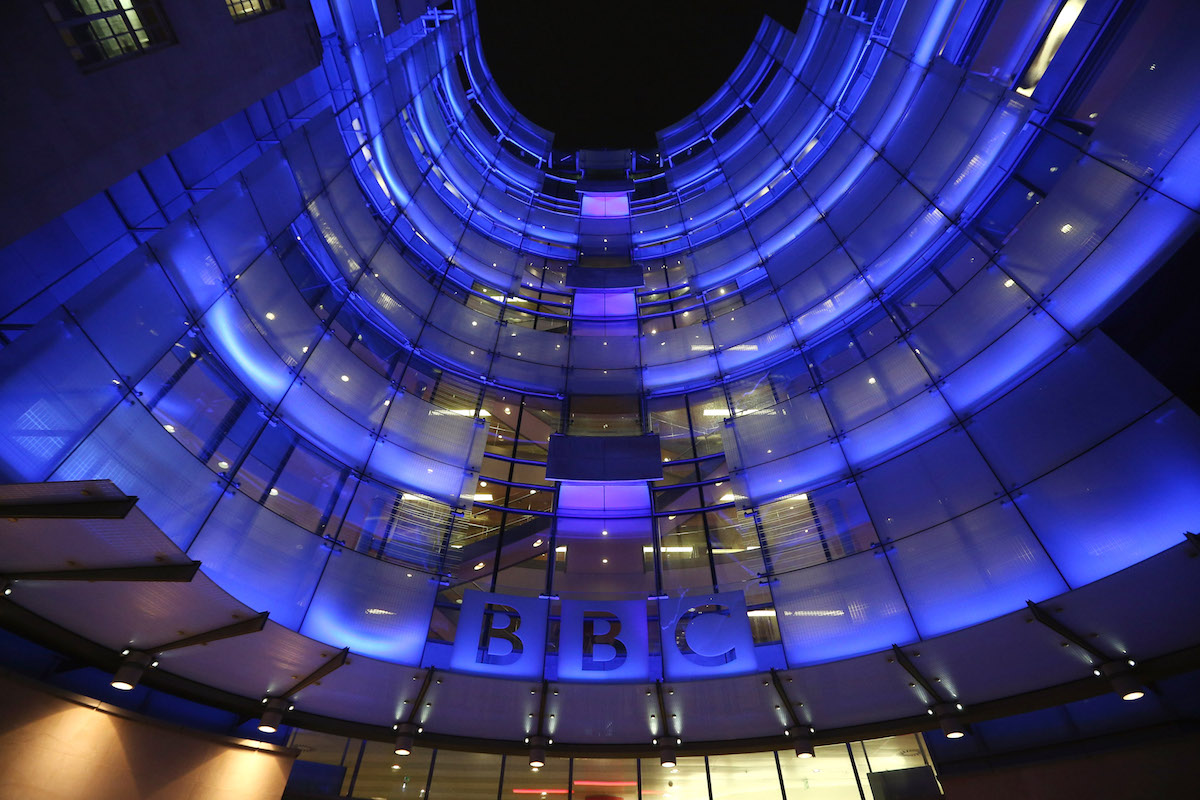
(Oli Scarff / Getty Images)
As Britain faces a crucial general election, its second in two years, one of its most venerable institutions has been busy demolishing what’s left of its reputation. The BBC has long been admired internationally for its well-resourced drama and documentary programs, and respected for the professionalism of its journalism. But its hollowing out by a series of neoliberal governments looks to have finally caught up with the once august institution. Whatever the merits of the BBC’s educational and cultural output — a large proportion of which anyway come from private companies — its political journalism, which is at the heart of its public service remit, has failed in the most important test it faces.
For those of us familiar with the politics of the BBC, it has all been fairly predictable, even if still a little depressing, and sometimes even shocking, to watch. Let’s start with the prime minister. As a number of critics have noted, the public persona of “Boris” was partly honed on the BBC in a series of appearances on its tired satirical show, Have I Got News for You, and the institution has since proved for the most part either unable or unwilling to puncture the performance and hold the politician to account.
Like his friend Donald Trump, Johnson has displayed remarkable arrogance and dishonesty. But while the US president is a crass bully, Johnson disguises his narcissism and ambition with a practiced self-depreciation and convivial manner that allows him to be both evasive and domineering with journalists. A revealing moment came last year shortly after his resignation as foreign secretary. Upon returning to the backbenches, the Old Etonian quickly secured the highest private income of any MP: among his various side hustles was a return to the Telegraph as a weekly columnist, for which the Conservative-supporting newspaper paid him almost £23,000 a month (which he failed to disclose to the appropriate authorities).