Arts for the Many
Successive UK governments have been slashing arts funding for decades. Labour is promising to reinvest.
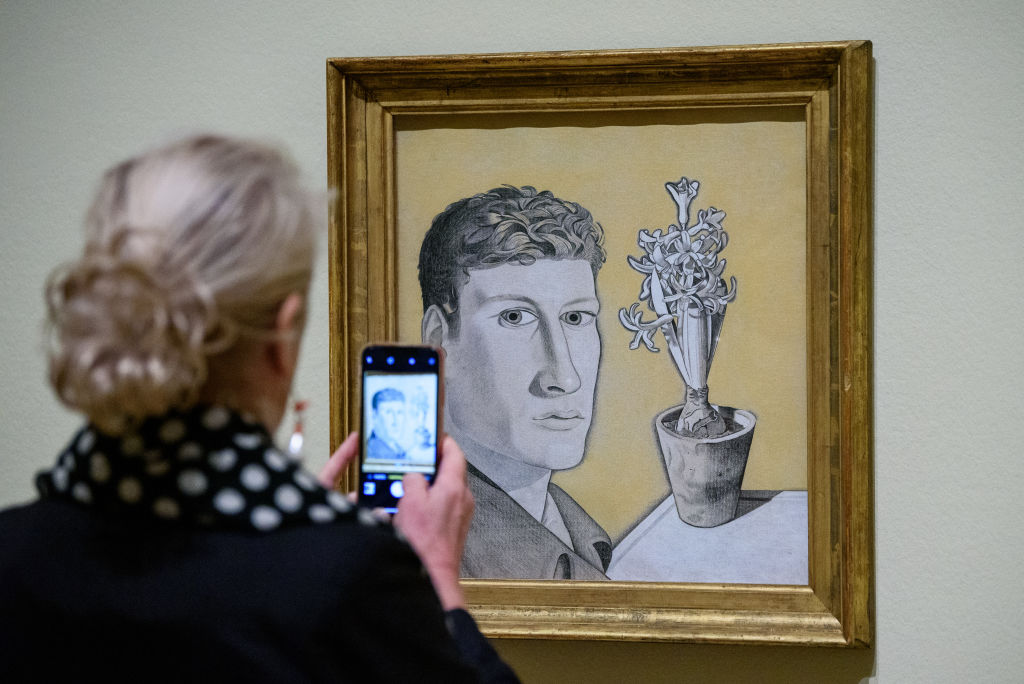
General view of the “Lucian Freud: The Self-Portraits” press view at Royal Academy of Arts on October 23, 2019 in London, England. Joe Maher / Getty
The upcoming UK general election was billed as the Brexit election, though it’s turning out to be fought over a much wider range of policy issues than expected, including the NHS, welfare, the environment, education, tuition fees, and taxation. Much of this is thanks to Labour’s grassroots campaigning machine, which has brought issues into the spotlight that the Tories would prefer to ignore. However, one area crucial to a thriving society remains overlooked in debate both on mainstream and social media: cultural policy. While it is in itself unlikely to polarize voter support, it’s worth asking: What do the main parties have to say on the matter of arts funding? It won’t be a surprise for most to hear that Labour is the clear front-runner in this policy area.
Cultural Decay
In the ’90s, Tony Blair’s New Labour aligned itself closely with Britpop and an assortment of Young British Artists in an attempt to broaden his party’s appeal among “Middle England” voters. At that point, the notion of “creative industry” was central to New Labour policy-making. A typical Third Way neologism — like “public-private partnerships” — an emphasis on “creative industry” worked to put the shine on the marketization and bureaucratization of the arts.
Funding was increased, but at a price: targets around “value” had to be met; cultural “well-being” was a new indicator and necessitated a national rise in museum attendance — which, though it was met under Blair, ultimately masked the underlying inequality. As it turned out, the boost in new museum attendees that followed a policy of free entry to state institutions was largely caused by repeat visits made by existing middle-class attendees, simply visiting more often than they had previously. Overall improved attendance, with the potential for new visitors from poorer backgrounds, is a good thing, of course, and one that successive governments, including Labour, have pledged to continue.