Everything You Need to Know About the Hong Kong Protests
Hong Kong's government tried to rush through a bill that would limit civil liberties. Instead they triggered a tidal wave of protests — some of the largest in modern history.
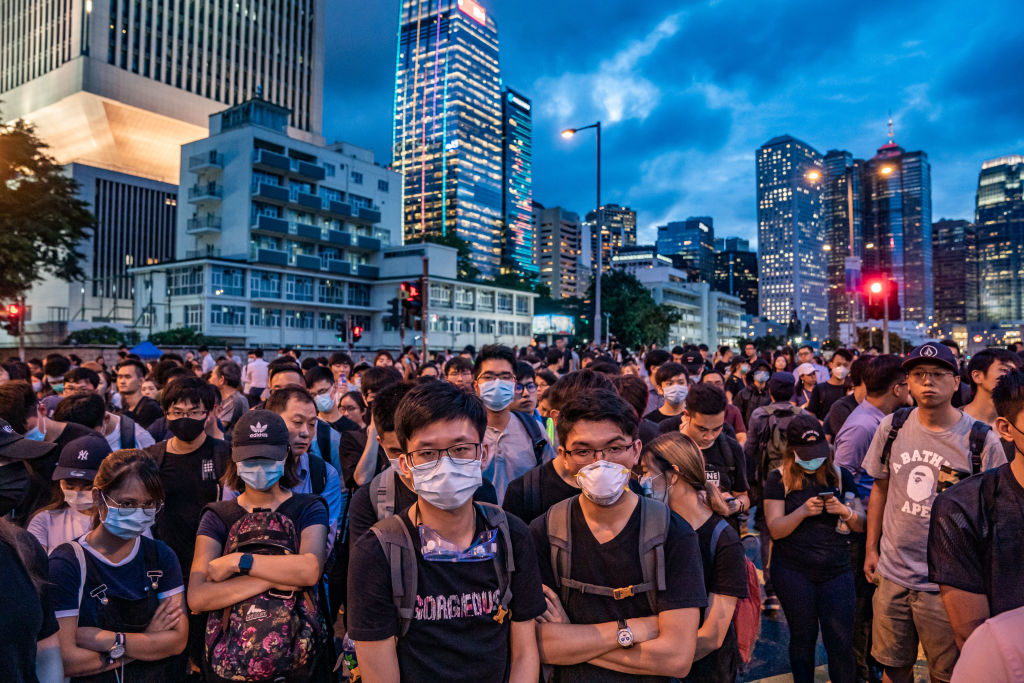
Protesters occupy a street after a rally outside of the Chief Executive Office on Monday in Hong Kong. Anthony Kwan / Getty
On June 9, Hong Kong was convulsed by a million-strong march against a proposed amendment that would allow suspects to be extradited from the former British colony to mainland China, along with other countries. The government — chaired by the Beijing-approved chief executive Carrie Lim — insists that political dissidents and activists would be unaffected by the amendment. But the measure set off a firestorm, igniting public anger even as the government rushed to push it through the Legislative Council by July.
Last Friday, following days of protests and clashes with the police, and amid growing calls for political strikes, Lam tabled the amendment. And on Saturday, hours into another massive demonstration — said to number over two million out of a population of seven million, with protesters demanding the amendment’s complete withdrawal and Lam’s resignation — the Hong Kong government issued an apology.
Why has the amendment aroused such indignation? How did the legacy of the 2014 Umbrella Movement, Hong Kong’s last major wave of demonstrations, shape the current protests? What are the politics of the protesters? And what are the prospects for democratic movements in Hong Kong and China going forward?