How Neoliberalism Reinvented Democracy
Neoliberalism replaces the citizen with the consumer — pushing people out of political life and into the marketplace.
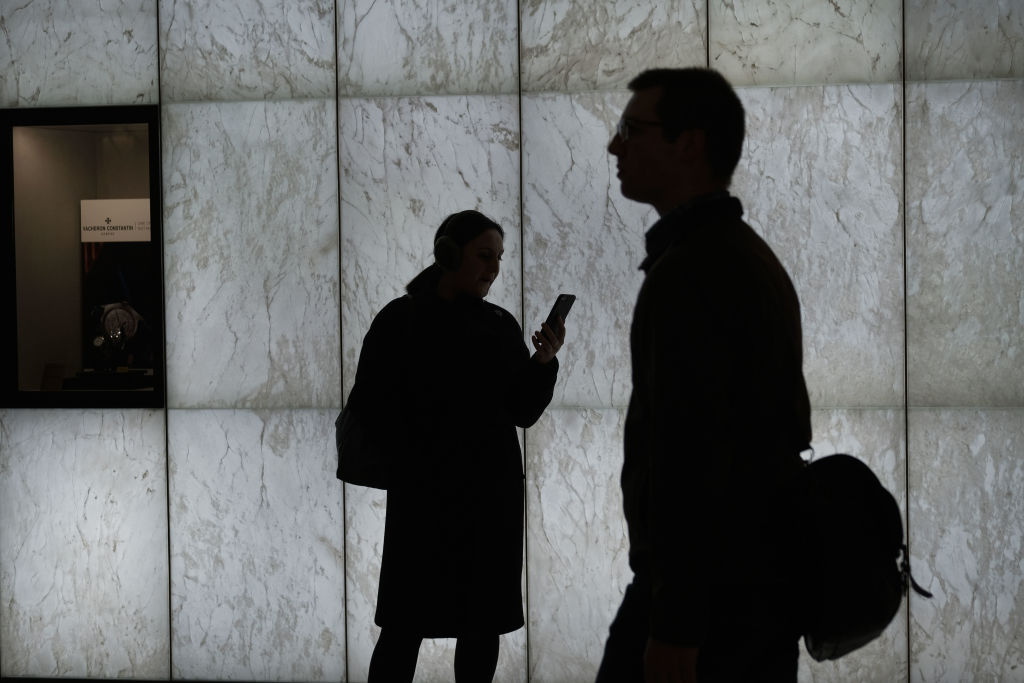
Visitors walk through the newly opened luxury shopping mall at the Hudson Yards development on the West Side of Midtown Manhattan on March 18 in New York City. Spencer Platt / Getty
Since the crisis of 2008, “neoliberalism” has been denounced from all sides — blamed for the explosion of inequality and the crisis itself.
But the idea remains vague and often used at random. Is it just an economic program? Or is it a true political project? Does it aim, as we often hear, to get rid of the state for the benefit of the market? And what is its relationship to democracy?
To answer all these questions, Daniel Zamora recently caught up with the historian Niklas Olsen, who recently published an intellectual history of neoliberalism entitled The Sovereign Consumer.