Leave John Locke in the Dustbin of History
Some scholars and writers are trying to rehabilitate John Locke. They shouldn't — he was an apologist for slavery, not a champion of freedom.
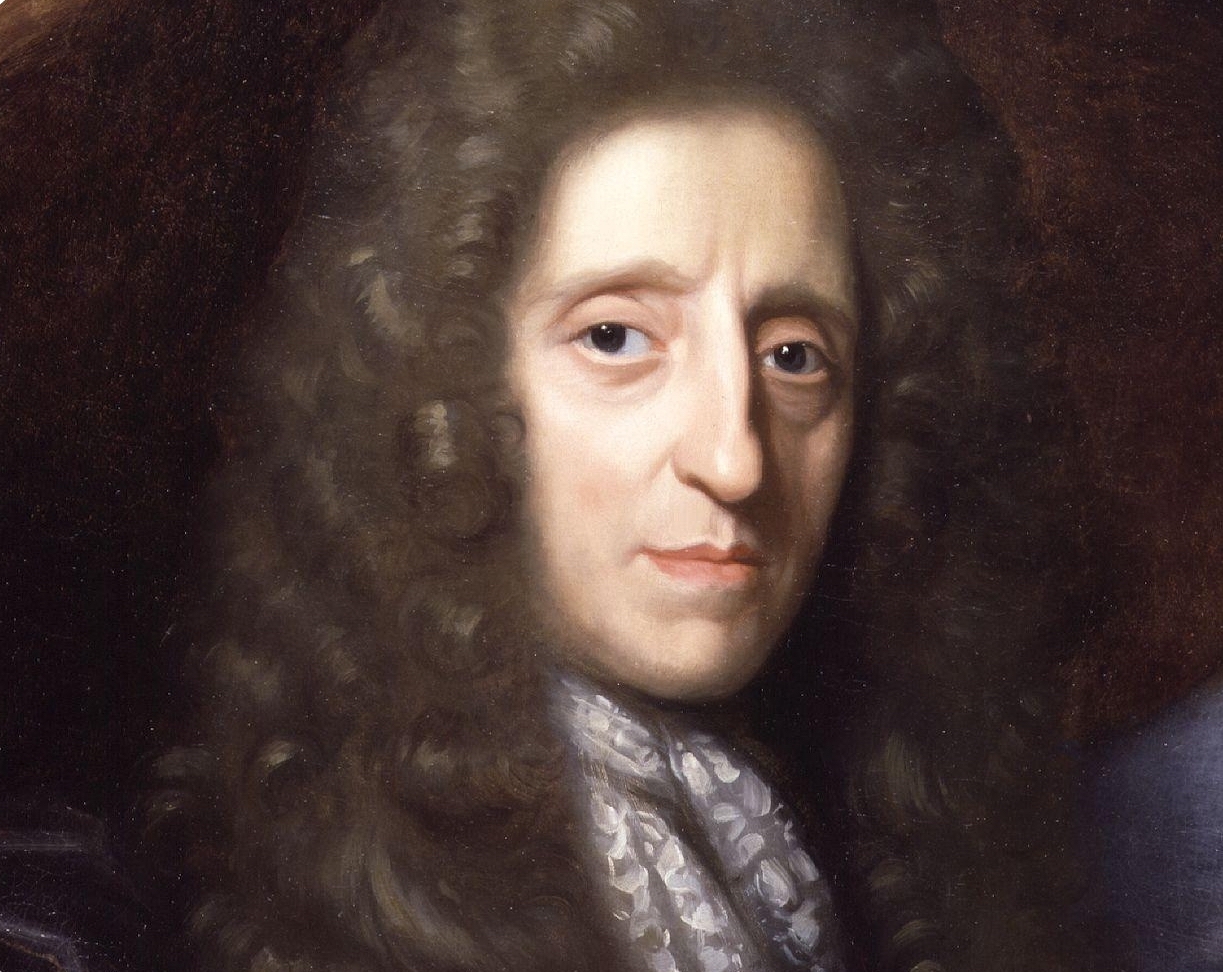
John Locke, by Herman Verelst. Wikimedia Commons
The discovery, in the mid-twentieth century, that John Locke had invested in the slave-trading Royal African Company seemed at first like an embarrassing piece of personal hypocrisy for a figure long regarded as the principal theorist of liberalism, particularly that espoused by the Founding Fathers. But the more complete the historical picture we have of Locke, the worse he looks.
In a series of articles in Jacobin, I’ve summed up the evidence to make the case that, far from being an English political philosopher for whom America provided some convenient theoretical examples, Locke was deeply enmeshed in American affairs. And while in the British context Locke presented himself as a defender of liberty against the (metaphorical) “slavery” involved in submission to Stuart absolute monarchy, in the US he was a consistent theorist of enslavement and expropriation.
In addition to his role as an investor in slave trading, Locke authored the Constitution of the Carolinas, a document that enshrined both chattel slavery for blacks and hereditary serfdom for white “servants.” More fundamentally, Locke’s theory of property based on “mixing labour with land” rested both on the expropriation of Native Americans and on the assumed existence of a servant class.