Picking Up Their Weapons
Maoists have ruled Nepal for almost a decade, after helping end centuries of monarchy. But hard-liners disappointed by their record are returning to the armed struggle.
In 2006, after ten years of armed struggle, Nepal’s Maoists signed a peace agreement with the government and embraced electoral democracy. Eighteen months later the Nepalese people rewarded them at the ballot box, as the Maoists won thirty percent of the vote in the constituent assembly elections. Outside of China, where Mao Zedong took power after the 1949 revolution, Nepal is the only country where Maoists (together with other Left parties) have led the national government. The changes of 2006–8 also saw the party play a key role in turning Nepal from a monarchy into a federal republic.
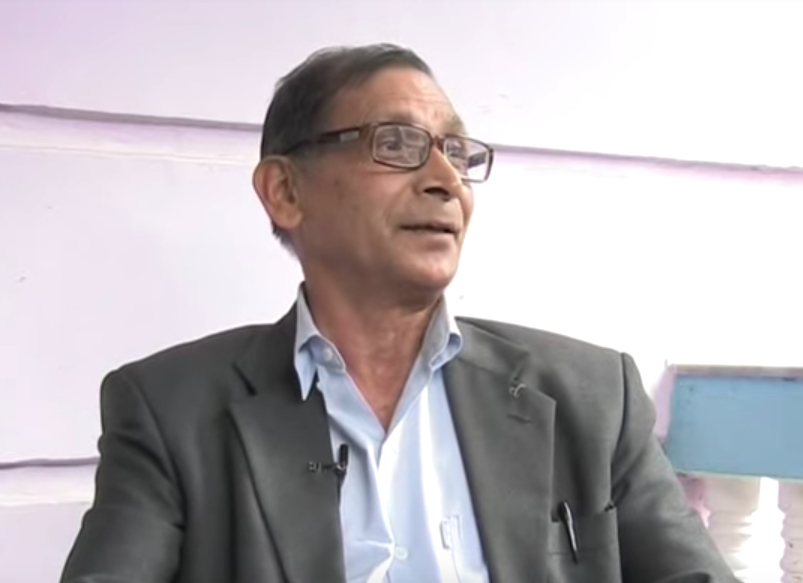
Yet Nepal’s Maoist movement is today divided. In July 2018, twelve years after the historic peace agreement, I interviewed several of its top leaders, who have now split into two broad camps. The establishment Maoist camp, led by Prachanda, has united with other parliamentary-left parties and has eschewed the path of armed struggle. The breakaway dissident faction, led by Mohan Baidya “Kiran,” has denounced the “counterrevolutionary” compromises by the establishment faction and has raised the slogan for renewed People’s War.
I met up with Mohan Baidya, better known by his nom-de-guerre, Kiran, and his wife and comrade Sushmaji. I sought to understand why Kiran, an erstwhile member of the Maoist party’s own politburo, and the country’s best-known radical hard-liner, has denounced the peace process and the Maoists’ transition to democratic methods, instead favoring a return to the old ways of armed struggle.