Russia Was a Latecomer to the Cyberwar Game
The US, not Russia, pioneered the use of state-sponsored social media manipulation.
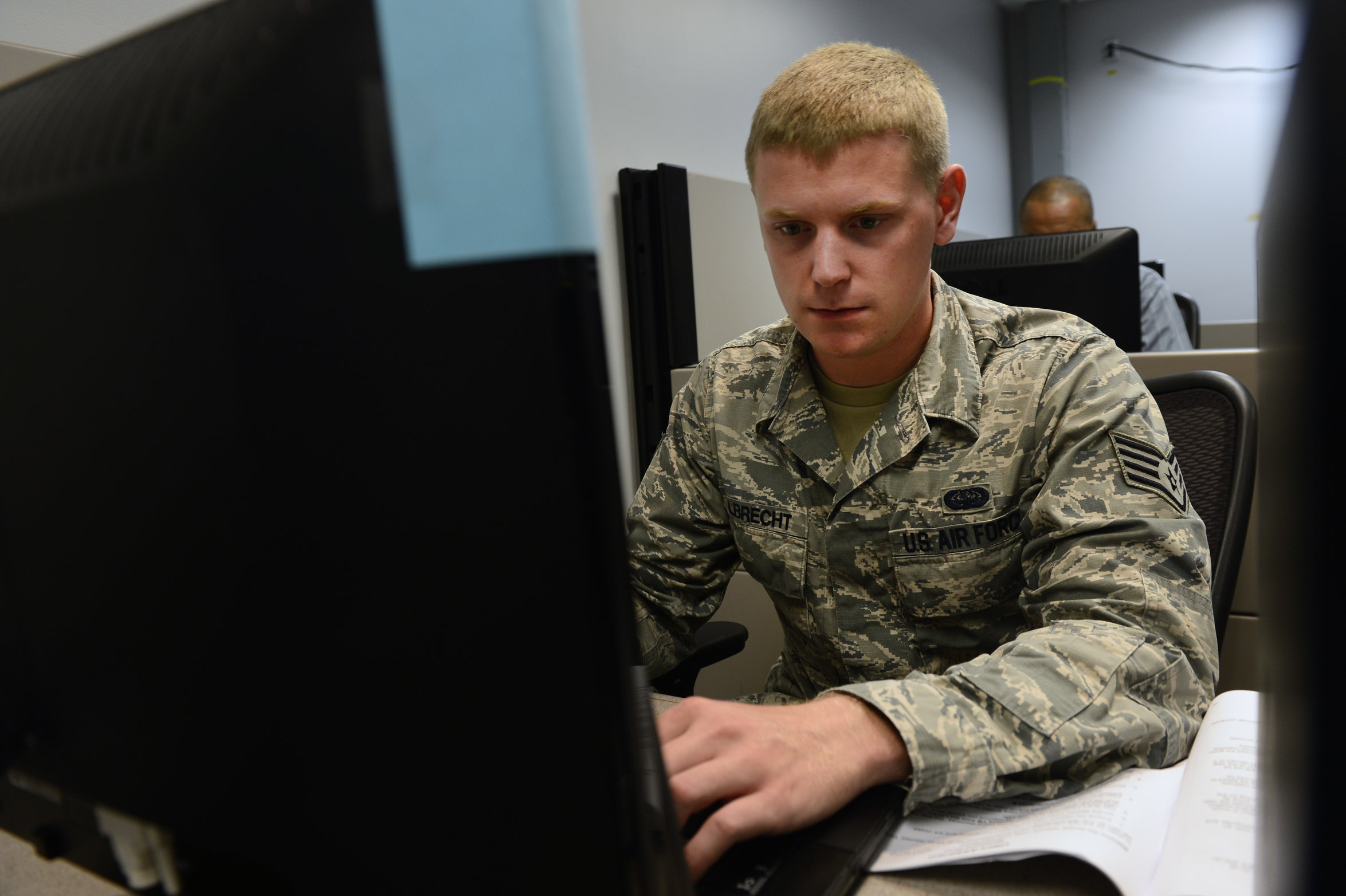
Staff Sgt. Alek Albrecht participates in a Network War Bridge Course at the 39th Information Operations Squadron Sept. 19, 2014, Hurlburt Field, Fla.US Air Force / Airman 1st Class Krystal Ardrey
Before 2016, the public’s biggest anxiety around social media was that it could be used to beam reams of information about us straight to the prying eyes of faceless spies. Now, our chief fear is that those same spies will be the ones beaming information to us.
The ongoing revelations surrounding the Russian cyber-disinformation campaign in 2016 and beyond — which included everything from the use of paid trolls and online bots to spread propaganda to the dissemination of fake news to unwitting readers — have spurred an ongoing panic about the effects of such campaigns and the Kremlin’s ability to wage them. This disinformation campaign has been widely labelled “cyber warfare,” a term that traditionally referred to attacks on computers or information networks using viruses and denial of service attacks. Russian intelligence agencies have been dubbed “masters” of such a “cyber foreign policy,” their work likened to “the world of mind control imagined by George Orwell.”
As a result, the response from embattled social media companies tends to focus on the dangers of cyber-disinformation originating in Russia. Facebook is working on creating a tool that tells users if they’ve interacted with a Facebook page or Instagram account created by the recently indicted Internet Research Agency (IRA). In response to a report that content from IRA-linked websites was shared on Reddit, the company’s co-founder insisted they were doing what they could about it and that “the biggest risk we face as Americans is our own ability to discern reality from nonsense.”