Lecturers on Strike
University lecturers in the UK will walk off tomorrow in the largest-ever strike called in British higher education.
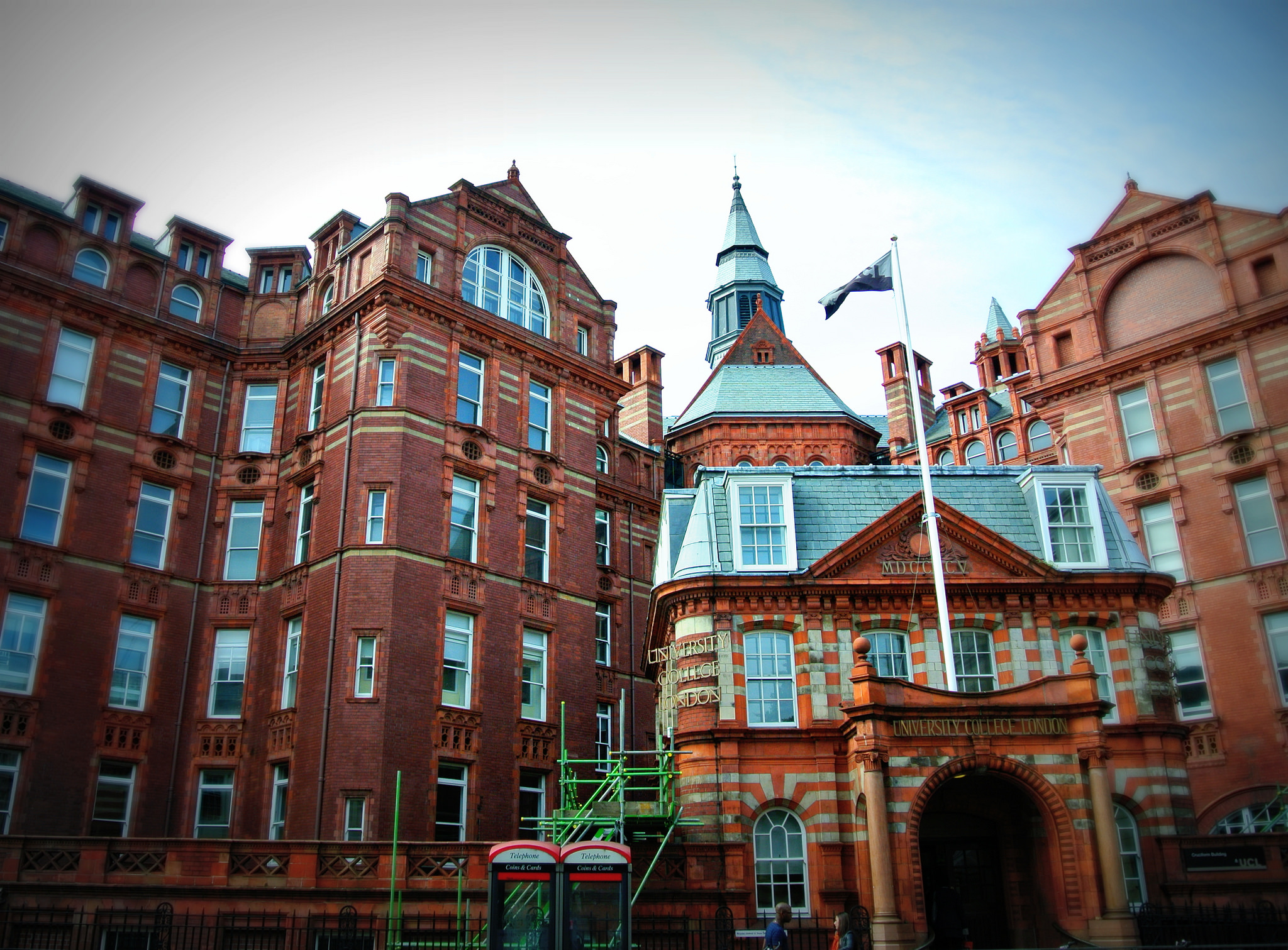
Buildings at University College London. Kurtis Garbutt / Flickr
This Thursday, lecturers at most universities in the UK will go on strike. They will stay on strike on Friday. They will continue to do so for three days next week, four days the week afterwards, and five days the week after that. In total, unless the dispute is settled in the meantime, 14 working days will be lost to industrial action in an industry that seldom sees action of any kind.
The cause of the strike appears simple. University managers want to make changes to the USS, the pension plan that covers lecturers at 65 UK universities. Lecturers and their union, the University and College Union (UCU), the largest higher education union in the world, are determined to prevent those changes taking place. With neither side willing to budge, the UCU balloted members for strike action in January 2018 – and lecturers at an overwhelming majority of universities voted in favor of action.
But the roots of the strike go much deeper. Why else would the angriest and most determined parties be academics thirty or even forty years away from their first pension payment? The underlying reason for this anger is a vicious circle that has closed at UK universities over the past 20 years: students pay much more for their education, teachers get paid less to give it to them.