Standardizing Wales
The recent history of education reform in Wales serves as a cautionary tale for educators everywhere.
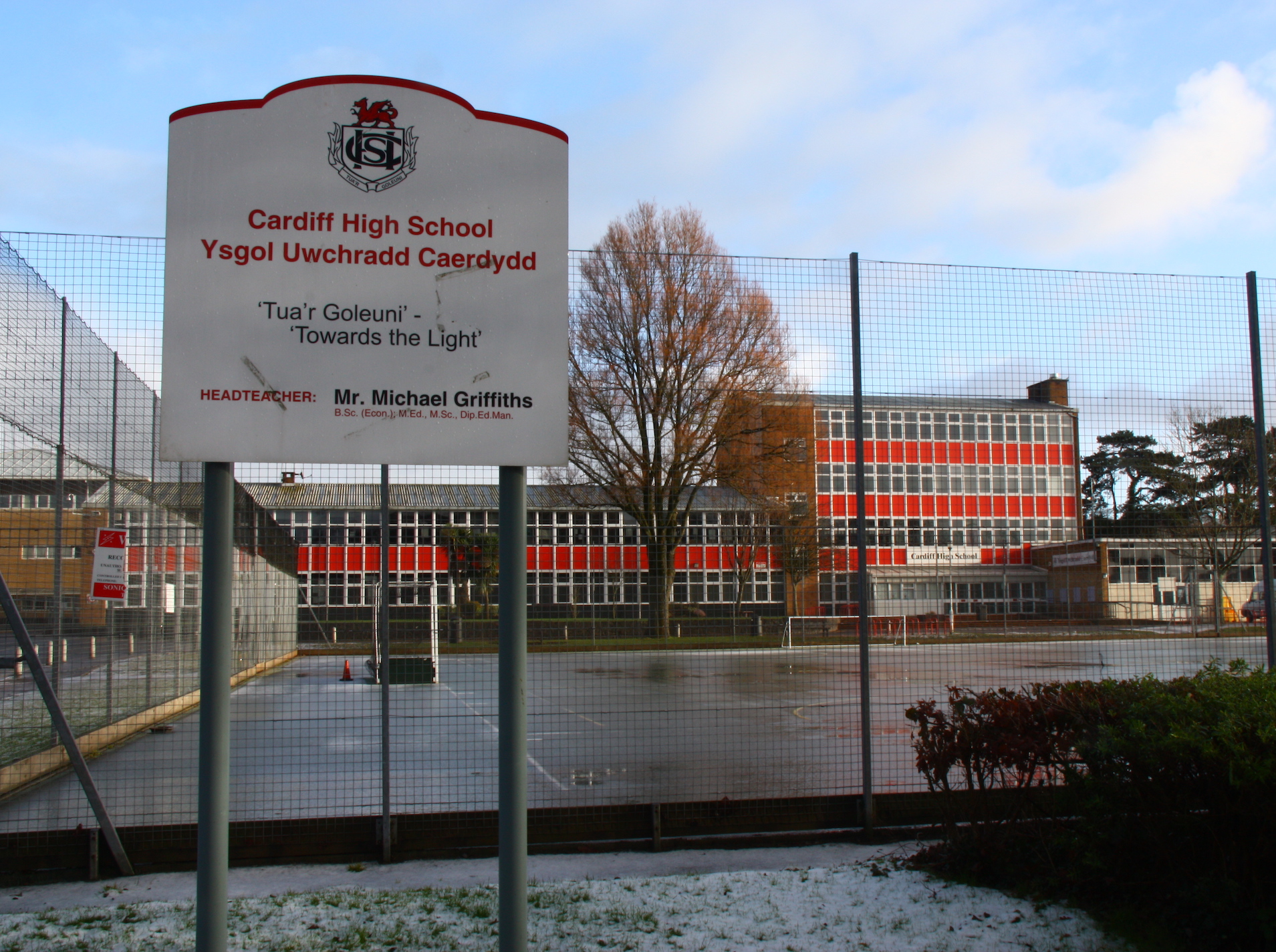
Outside Cardiff High School in Cardiff, Wales. eltpics / Flickr
Every three years, the Programme for International Student Assessment (PISA) ranks seventy-two national educational systems from across the world. The United Kingdom originally appeared on the list as a whole, and it scored respectably. However, when the results separated the four UK home nations in 2006, they showed that Wales was performing very badly.
Beginning in 1997, with the introduction of Welsh devolution, the nation enacted significant reforms to its education system. According to PISA, these measures hadn’t worked: Welsh children lagged behind the rest of the United Kingdom — and indeed much of the world — in literacy, numeracy, and science.
There hasn’t been much improvement since then. Wales scored poorly in in 2009, 2012, and again in 2016. Successive low scores created an existential crisis within Welsh education and within the country more generally. The idea that our kids are thick and our schools are useless has rapidly become the national common sense.