Single Payer Could Solve the Rural Hospital Crisis
Rural hospitals are closing at an alarming rate. And the profit motive is to blame.
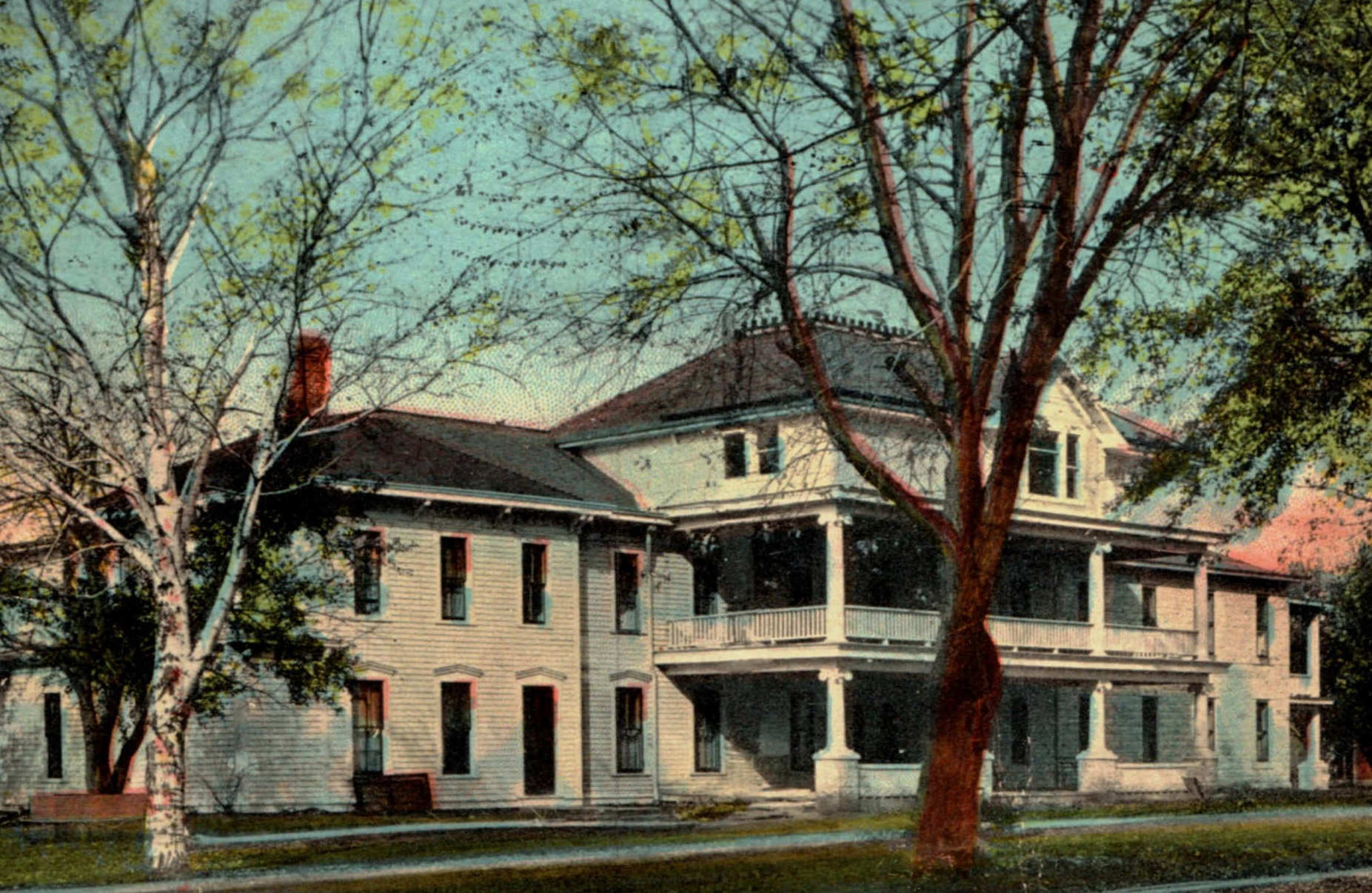
The now-shuttered United Hospital in Creston, IA. photolibrarian / Flickr
America’s rural hospitals are closing down at an alarming rate. According to the North Carolina Rural Health Research Program, there were seventy-two rural hospital closures between 2010 and 2016, close to double the number that shut down between 2005 and 2009. Hundreds more are teetering on the brink of closure.
Consequently, rural America faces a serious health care delivery challenge, which is made all the more urgent by the fact that rural residents tend to be much sicker to begin with. They have higher rates of chronic conditions and greater psychological distress. Rural counties have higher death rates from unintentional injuries, more motor vehicle injuries, greater premature mortality (below age seventy-five), higher suicide rates among men, and higher infant mortality rates.
Health disparities between rural and urban America are very well documented, and geographic access — the ease or difficulty of traveling to a health care provider — is one of the commonly offered explanations for this disparity, especially in the case of traumatic accidents or other medical emergencies. When these rural hospitals close their doors, the distance between a person’s home and the nearest medical facility increases dramatically, and so too does the time it would take an ambulance to reach them in an emergency.