Pinkerton 2.0
The government runs a publicly funded spy training program for corporate America. It’s called the CIA.
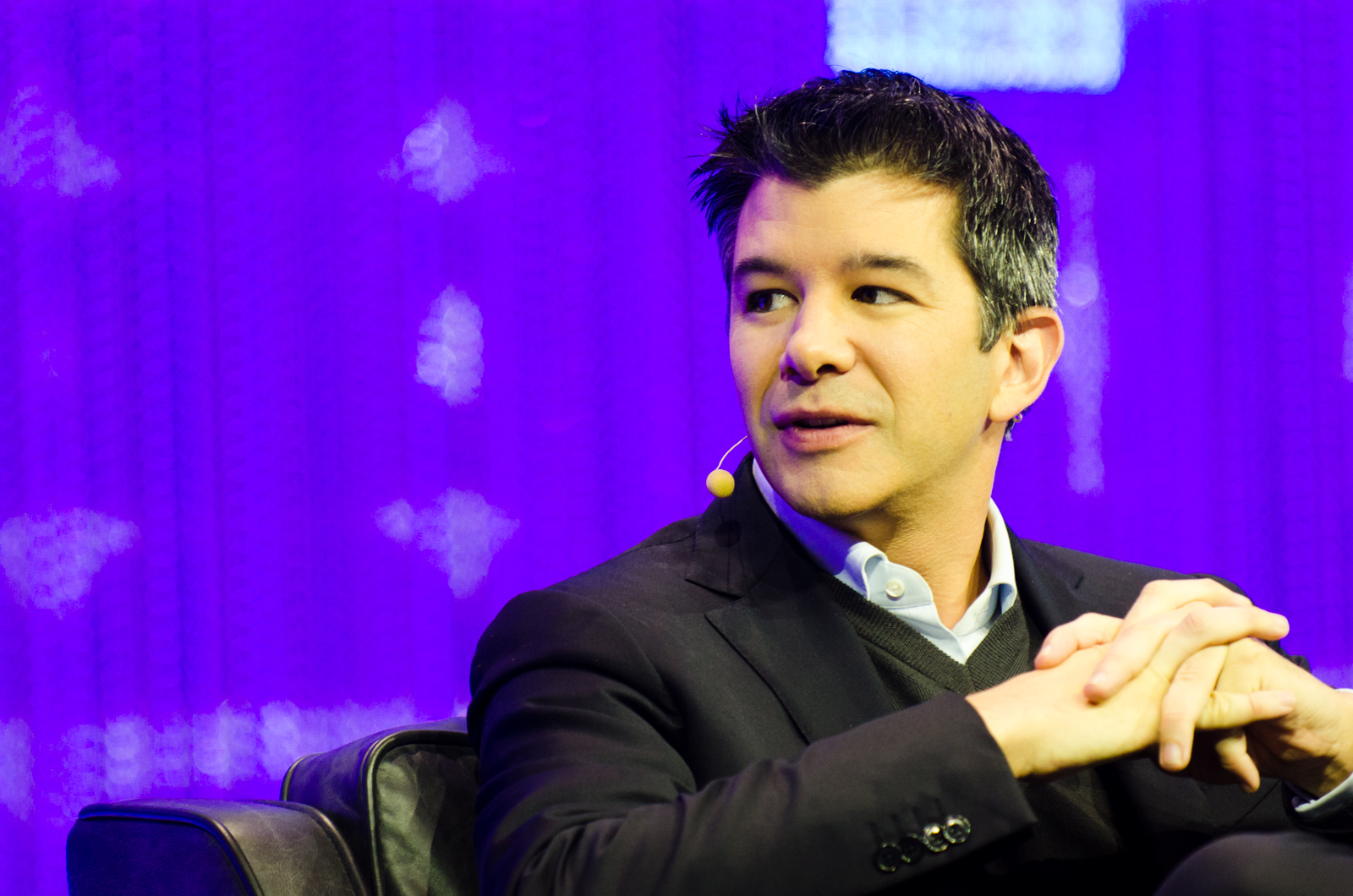
Travis Kalanick, ex-CEO of Uber, speaks at the LeWeb conference in Paris, France, on December 10, 2013. Dan Taylor / Heisenberg Media
In what’s being described as an “explosive letter,” a lawyer who worked for Uber alleges that the company employed ex-CIA agents to collect intelligence on its competitors. The letter claims that Uber’s intelligence team bugged hotels, infiltrated private chats, and impersonated actual people to gain access to trade secrets. Like many of Uber’s business tactics, the practices outlined in the accusation are ethically shaky at best.
But perhaps the most astonishing thing about the revelation is the outsize reaction it has received. Corporations employ former government intelligence workers all the time. Ex-CIA and FBI operatives have been conducting espionage in the private sector since at least the 1980s, using the training they received on the public dime to enrich big businesses — sometimes at the public’s expense.
Spy vs. Spy
The first major company to openly court government spooks was Motorola. The company’s chair Bob Galvin assembled a unit of former spies in 1983 to conduct “competitive intelligence” operations against corporate adversaries. Galvin began preaching the gospel of corporate espionage, forming the Society of Competitive Intelligence Professionals (SCIP) in 1986 to promote the practice. This was good news for employees at the nation’s intelligence agencies, promising lucrative careers in the private sector once government work had ended. A cottage industry was born — call it Pinkerton 2.0.