The Politics of Narcos
In the world of Narcos, dim-witted cops and populist narco-capitalists become the heroes we need.
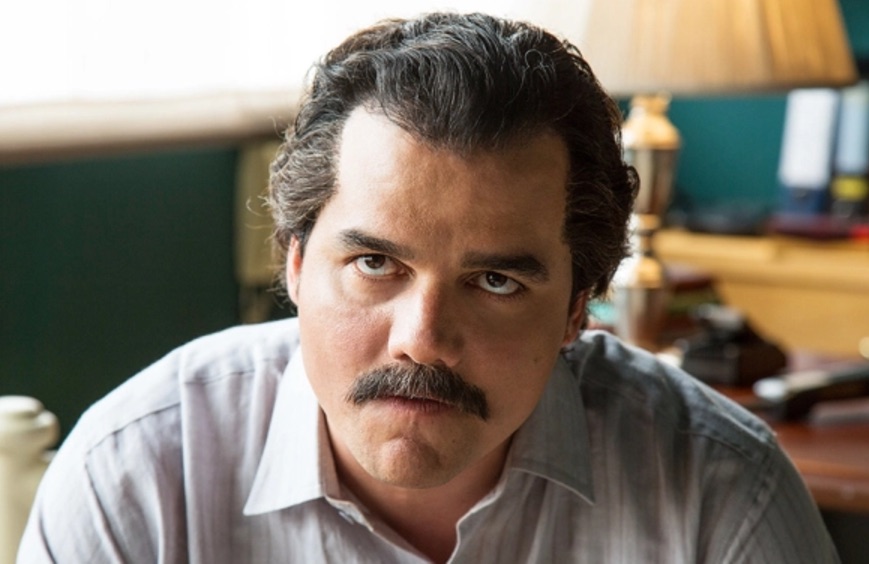
There was a time not long ago when Medellin could only be spoken about outside of Colombia as the world capital of murder.
Its violence required superlatives: lots of “mosts” and “worsts.” Organized cocaine traffickers and the Colombian state had merged to create an immense system of indiscriminate cruelty. Nothing separated the methods used by the police in their hunt for notorious drug kingpin Pablo Escobar from those used by his sicarios to punish and intimidate the police. In 1991, two years before the death of Escobar, a city famous for its year-long spring had the death rate of a warzone.
Perhaps unsurprisingly, reminders of this suffering are today exchangeable for cash. A day which begins with a tour of Escobar’s Edificio Mónaco — a now-eerily silent structure he once used for torture and meals with the family — might very well end at Comuna 13, a barrio that was long impenetrable to outsiders and considered the city’s most violent, but which today attracts tourists with brightly painted street art and charming local guides.