The Socialist Labor Unionists Who Took On Samuel Gompers
Though little remembered now, at the turn of the 20th century Cleveland’s socialists heroically fought Samuel Gompers for leadership of the American Federation of Labor — putting forward a revolutionary alternative to Gompers’s conservative unionism.
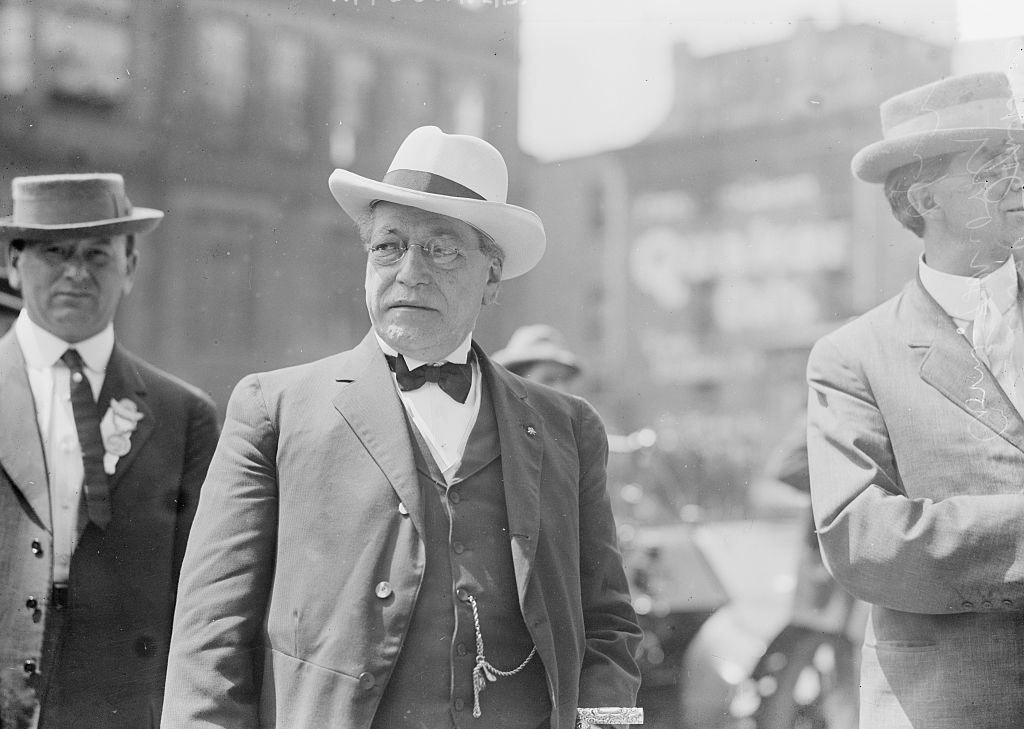
Samuel Gompers’s vision of capitalist-friendly unionism and political pragmatism largely dominated the labor movement throughout the twentieth century. (Sepia Times / Universal Images Group via Getty Images)
“We have started on a great big national fight with the union movement at stake!” Max Hayes, socialist newspaper editor and union leader, thundered to the assembled representatives of Cleveland, Ohio’s labor movement in the fall of 1909. “The American Federation of Labor will stand or fall as events issue.”
The delegates roared their approval, setting in motion a decisive battle for the soul of organized labor. On one side were Cleveland’s radical left-wing workers, led by Hayes; on the other, the AFL, led by archconservative President Samuel Gompers. At stake was the meaning of solidarity, union democracy, and the future of labor politics — whether the American labor movement would continue to be dominated by conservative business unionists or embark on a revolutionary anti-capitalist path. Though their fight is little remembered today, the socialists came very close to winning. Their ultimate defeat had fateful implications for American unionism in the decades that followed.
“Little Napoleon” and the Socialist Three
Max Hayes was a fitting spokesman for the Cleveland workers. In 1887, the city’s central labor council adopted a radical Declaration of Principles that called for the “emancipation of the working classes” and implored workers not to vote for the “political parties of the capitalists.” Hayes would later recall that “with few exceptions the officers and active delegates of the central body became adherents of the People’s (Populist) and Socialist Labor parties.” Cleveland’s labor council provided a platform for all manner of radicals, including inviting renowned anarchist Emma Goldman to a meeting in 1897. Socialists held key officer positions and ran the Cleveland Citizen, the city’s main labor newspaper. They were the voice, brain, and heart of the city’s labor movement.