Jacob Riis, NYC’s “People’s Beach,” Is Under Threat
A new luxury club soon to open at Jacob Riis Park, the “People’s Beach,” is set to significantly erode the democratic spirit of a storied slice of the New York City waterfront.
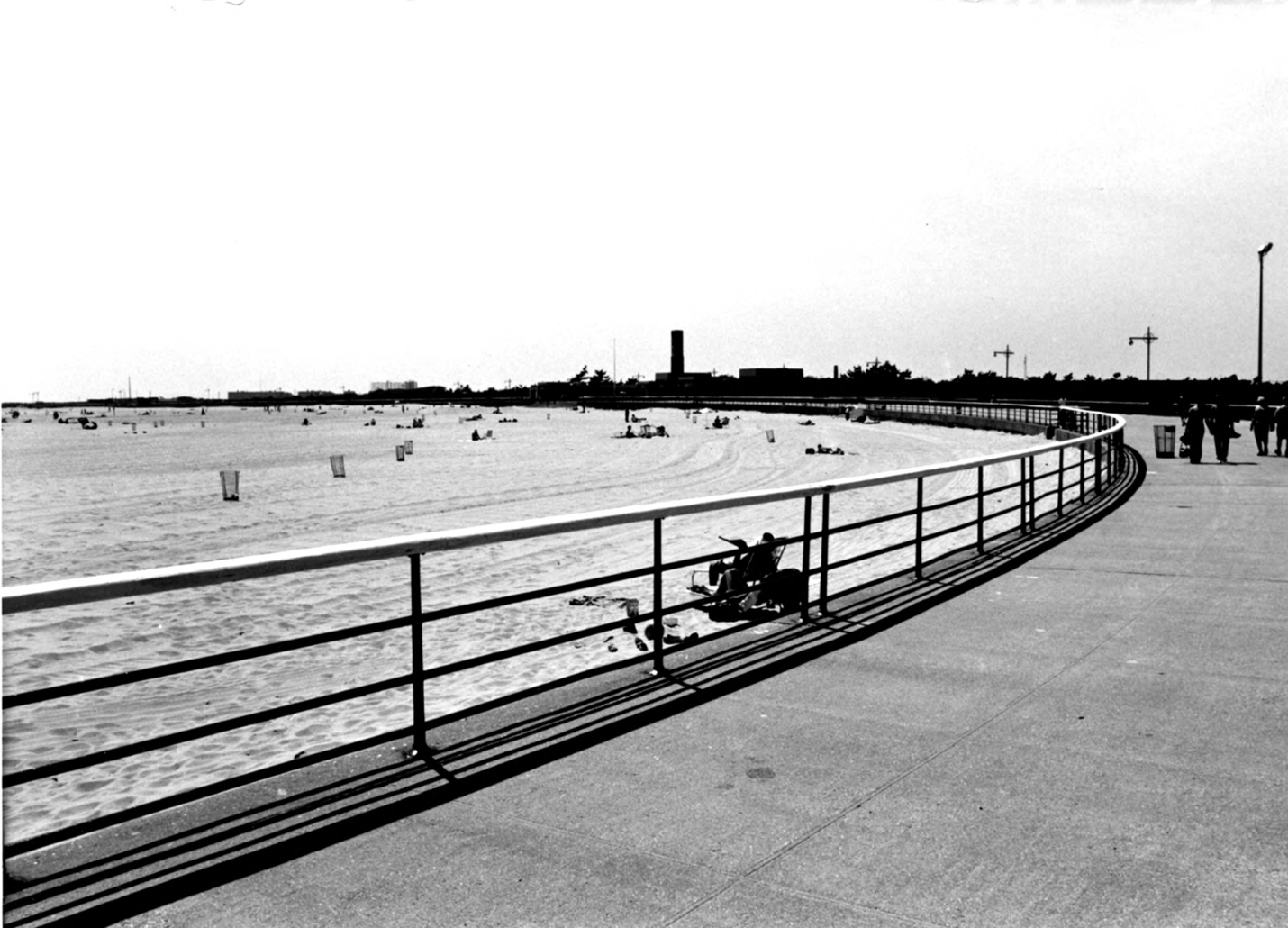
A new private luxury club is readying to take over the historic bathhouse of Jacob Riis Beach — and potentially erode the open, democratic spirit of an uncommodified stretch of New York City sun and sand. (National Park Service)
Jacob Riis beach is a space beloved by many in New York City. The “People’s Beach” was notably named after the famed Progressive Era journalist and photographer Jacob Riis, author of How the Other Half Lives. Born in Denmark, the eventual Queens resident spent a lifetime documenting working people’s struggles. When the city was seeking a name for a new beach in Queens, Riis was a perfect fit. For decades, through changing ownership and competing uses, the name has stuck.
This year, a new private luxury club is readying to take over the beach’s historic bathhouse, a relic of the golden age of public works in New York City. Longtime beachgoers and residents of the Rockaways can be forgiven for their nervousness about the changes, given the exclusive nature of the club in a place that has been open to all. The area has always seen a constant evolution in the definition of public space. But the new club feels like an existential threat to the democratic nature of the beach.
A People’s History of Jacob Riis Beach
New York City purchased what is now Riis Park in 1913. It was first named Seaside Park, then renamed Telawana Park with an accompanying new vision for the space. This first name was in honor of Culluloo Telawana, presumably the last representative of the Rockaway Lenape tribe. The design proposed at the time by the city was an ambitious park in the vein of lauded landscape architect Frederick Olmsted. Like those parks around the rest of New York City, it featured large ponds and forested walking paths, creating a gentle connection between the Atlantic Ocean and Jamaica Bay. The plan was a surprisingly thoughtful testament to both the native history of the Rockaways and the environmentally harmonious ambitions of earlier municipal and national parks.