Australia Has a Serious Landlord Problem
Landlords dominate Australia’s parliament and Reserve Bank. Their policies make the housing crisis worse.
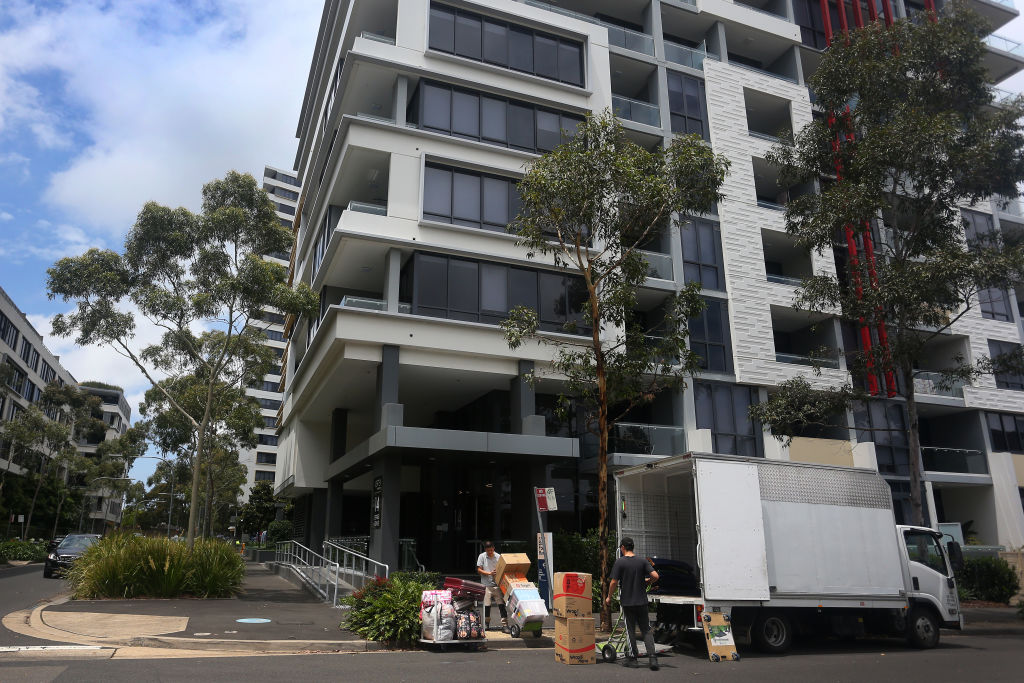
In Australia, a cost-of-living surge comes in the context of a worsening housing crisis. (Lisa Maree Williams / Getty Images)
In Australia, the war in Iran is having a dramatic effect on prices. Fuel costs are already up and are set to further soar anywhere from 10 to 20 percent. Australia’s dependence on fertilizer imports, combined with price gouging, is driving up food production costs and supermarket shelf prices.
This cost-of-living surge comes in the context of a worsening housing crisis. House prices in Australia rose 8.6 percent in 2025 and are predicted to rise at least 5 percent this year. Mainstream economists now describe Australia as “a homeowners’ welfare state.” Government policies incentivize landlords to claim losses on rental properties to reduce their income tax, then recoup those losses by selling the property at a reduced tax rate. The top 10 percent of earners in the country claim $4 out of every $5 under these schemes, which have boosted debt-fueled property speculation.
In response to inflationary pressures, the Reserve Bank of Australia (RBA) has already lifted interest rates to reduce demand. It was the thirteenth rate rise since mid-2022. On the same day, RBA Governor Michele Bullock bought a multimillion-dollar luxury coastal home — her third investment property. This decision sparked outrage. Around half of young Australians already blame the RBA for the housing crisis.