What the Giving Pledge Really Gave Us
Most Giving Pledge dollars never reached the public, flowing instead to private foundations and donor-advised funds while billionaires grew richer, bought reputations for generosity, and handed back scraps to the people who made their fortunes.
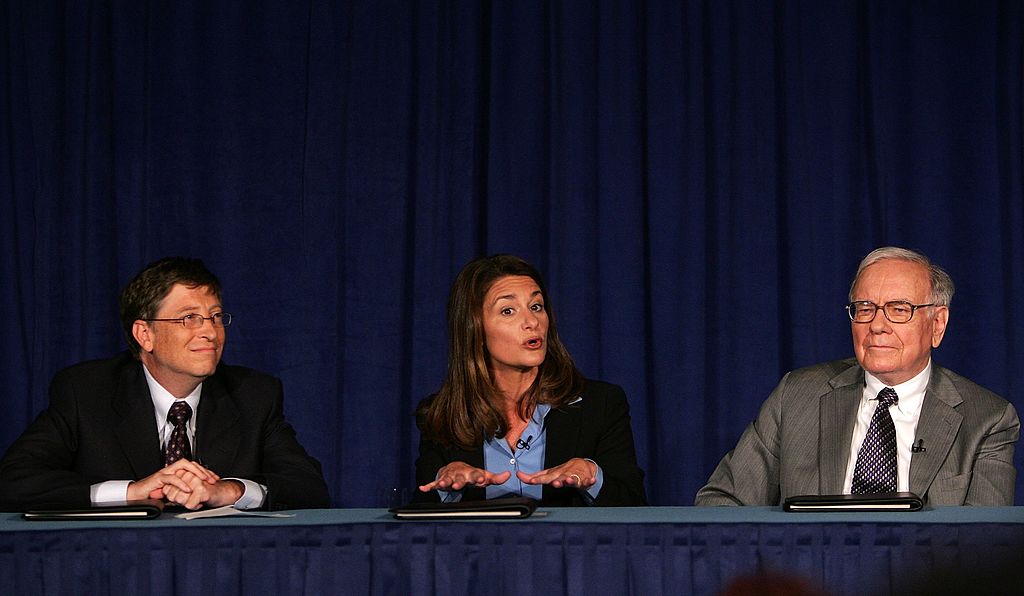
Fifteen years in, rich do-gooders’ Giving Pledge has delivered tax breaks and image management and left everyone else paying the price through starved public coffers.(Spencer Platt / Getty Images)
In 2010, billionaires Warren Buffet, Bill Gates, and Melinda Gates launched The Giving Pledge. The idea was that the world’s wealthiest ought to give back to the world, so signatories promised to donate half their wealth. Over the years, the Pledge steadily collected new members, reaching more than 250 donors including Elon Musk (2012), Larry Ellison (2010), MacKenzie Scott (2019) — though not her ex-husband, Jeff Bezos — and Sam Altman (2024). And then what happened?
The pledge is a promise, not a contract — not a legally binding one, at least. Morally binding? Perhaps. But did it bind? Sort of. Not really. It depends on how you score it.
In July, the Institute for Policy Studies released a report, The Giving Pledge at 15, which tracked progress on donor promises. The authors characterized the initiative as “the largest and most visible public commitment that billionaires make, in community, to distributing their vast fortunes,” noting that 13 percent of American billionaires are signatories. More than a decade and a half in, the report suggests, the Pledge has yielded mixed results including “bold and direct Giving Pledgers” alongside “Pledgers who need to pick up the pace” and “Pledgers who cravenly intertwine personal benefit with their philanthropic obligations.” Ultimately, the IPS concludes, “the Pledge is unfulfilled, unfulfillable, and not our ticket to a fairer, better future.”