Is Cormac McCarthy “Based”?
Legendary novelist Cormac McCarthy is often hailed by the Right as one of its own. The truth is more complicated.
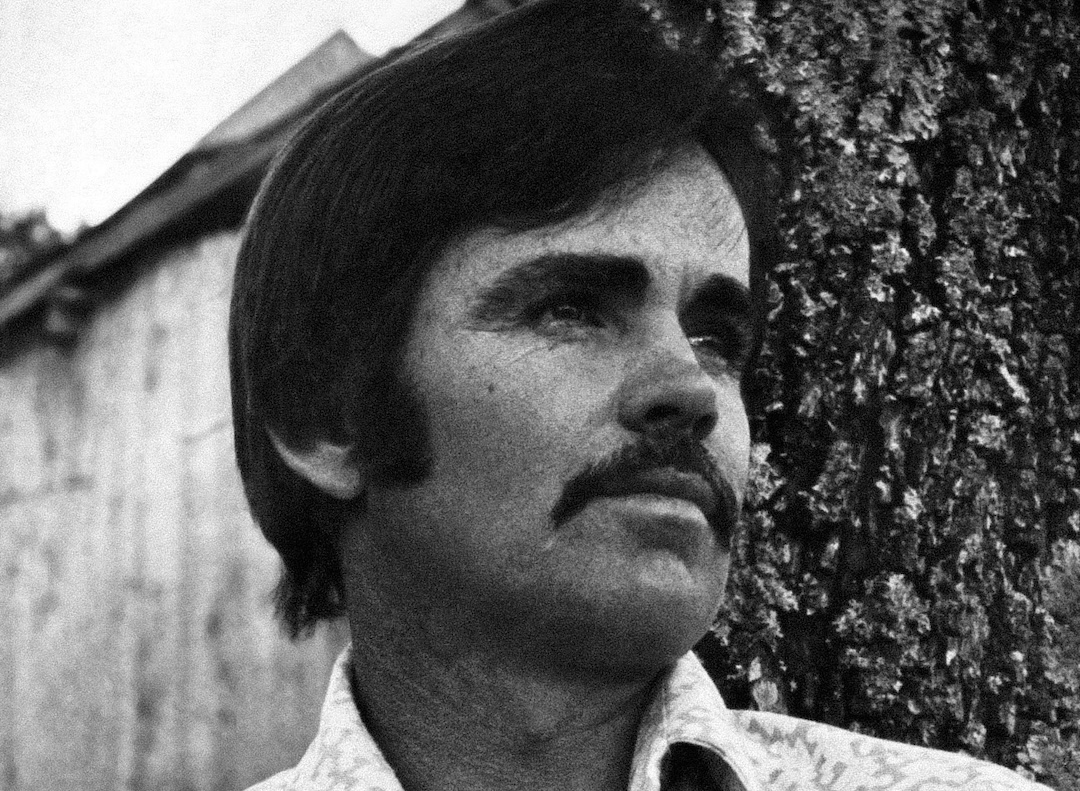
Incest, cannibalism, necrophilia, murder, and war on a metaphysical level are often-favored Cormac McCarthy topics. (David Styles / Wikimedia Commons)
If there was ever an author who screamed “the great American novelist,” it’s Cormac McCarthy. From 1965’s The Orchard Keeper to the twinned publication of The Passenger with its companion novel, Stella Maris, shortly before his death in 2023, McCarthy produced a body of work which has been seriously (and reasonably) compared with not only that of Herman Melville and William Faulkner but even biblical scripture in the depth of its spiritual aesthetics.
This is in spite of the intense demands his fiction makes on readers. These aren’t so much formal; some of McCarthy’s fiction is experimental and odd, but little that rises to the opacity of literary icons like Thomas Pynchon, William Burroughs, or even Faulkner. Rather it is the extreme, albeit highly stylized violence and darkness of books like Blood Meridian that led even seasoned ultra-readers like Harold Bloom to initially recoil. Incest, cannibalism, necrophilia, murder, and war on a metaphysical level are often-favored McCarthy topics. Even gentler novels like the aforementioned duology The Passenger/Stella Maris focus on the unconsummated romantic and sexual desire of a brother and sister for each other.
This savagery and its attendant pessimism have contributed to many reading McCarthy as fundamentally a conservative author. Simplistic readers admit to being attracted to his allegedly “tough masculinity,” centered around cowboy protagonists having to survive in the deep country. More thoughtful right-wing critics stress McCarthy’s deep (if ambiguous) religiosity and critical account of human nature as evidence for his conservatism. Readers like Alexander Riley see McCarthy as defending the traditional wisdom of rootedness. For Riley, McCarthy rejects the destructive, Faustian metaphysics of liberal and socialist modernity, with its utopian application of ever-more-refined science to dominate nature and man in the name of libertine gratification, for a more modest appreciation of limits.