Defending Academic Freedom in The Male Animal
At a time when academic and political repression is sweeping the United States, the 1942 screwball comedy The Male Animal offers a reminder of what courage in the face of crackdowns on a college campus can look like.
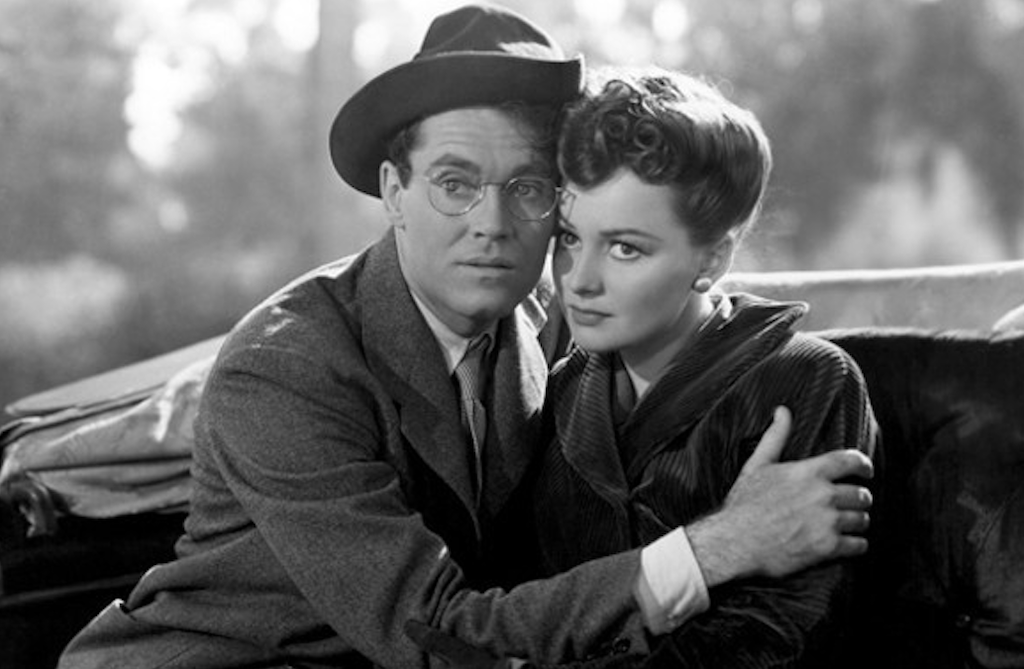
Still from The Male Animal. (Warner Bros.)
It’s graduation season in America, one that has been made unusually dramatic and occasionally inspiring by university students such as Cecilia Culver of George Washington University and Logon Rozos of New York University, who defied tremendous governmental and social pressure and risked serious consequences to make statements during their commencement ceremonies condemning the openly genocidal campaign against Palestinians in Gaza by the government of Israel, backed by the United States.
I was never expecting to find a mainstream movie that would reflect this shocking state of things, but I ran across an old favorite currently running on Turner Classic Movies that nearly fits the bill. It represents ordinary university students and faculty members pressured to remain silent — though a few speak out anyway — in the context of the “Red witch hunt” that was already getting traction during World War II when this film was made, though it wouldn’t become an appalling juggernaut until after the war. Just the fact that this film got made and released shows how much relative freedom of expression was possible in films of the early 1940s. But not for much longer.
This unusual and timely film takes place at the end of a school year at the fictional Midwestern University. It’s called The Male Animal, and it’s a comedy based on the 1940 hit stage play by celebrated writer James Thurber and his collaborating playwright-director Elliott Nugent, who also directs this 1942 film version.