Langston Hughes Was a Lifelong Socialist
In the 1930s and ’40s, Langston Hughes wrote poetic tributes to the working class and socialist leaders worldwide. Some critics allege he abandoned his principles later in life, but they ignore the role of McCarthyist oppression — and Hughes’s creative resistance to it.
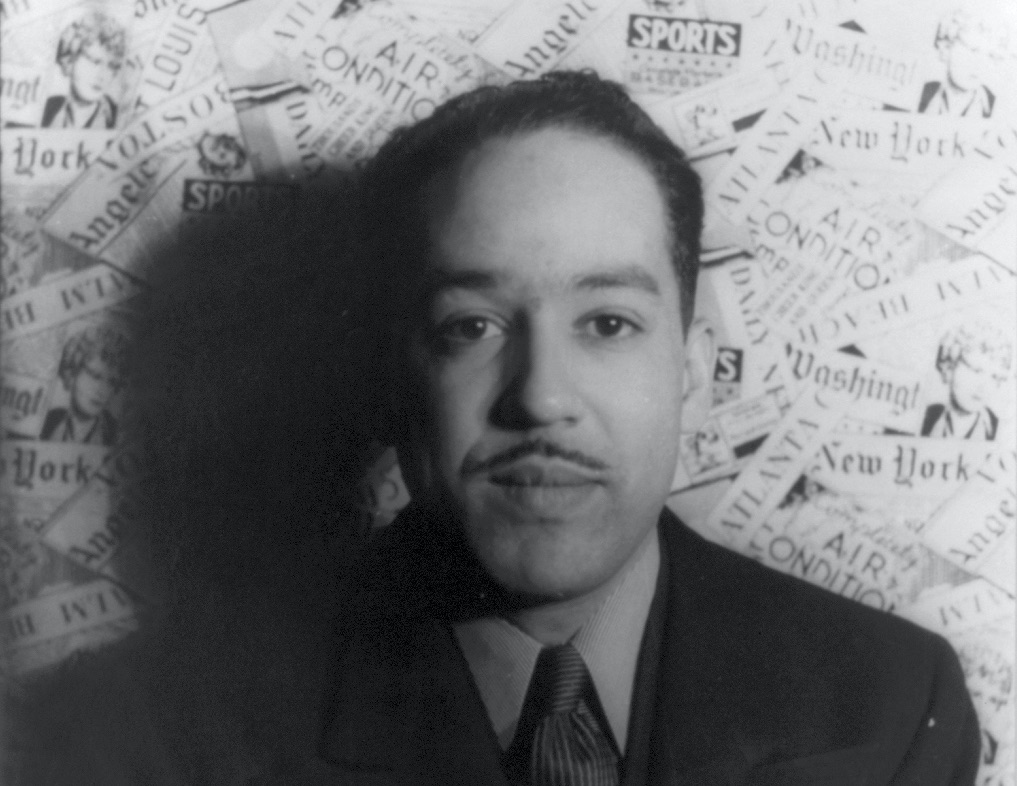
Writer and social activist Langston Hughes photographed by Carl Van Vechten, 1936. (Library of Congress)
Few high-profile artists in the twentieth century were as openly socialist as renowned poet, playwright, and author Langston Hughes was in the 1930s and ’40s. Take, for example, these verses from a poetic tribute to Vladimir Lenin:
Lenin walks around the world.
Black, brown, and white receive him.
Language is no barrier.
The strangest tongues believe him.Lenin walks around the world.
The sun sets like a scar.
Between the darkness and the dawn
There rises a red star.
But by the mid-1960s, Hughes had changed his tune. Gone were the explicit homages to communism in the Soviet Union and China, replaced by stream-of-consciousness jazz poetry that more often referenced decolonial insurgencies in Africa.