Karl Marx the Moral Philosopher
Karl Marx is often understood to have dismissed morality as bourgeois ideology. But Vanessa Wills, author of the new book Marx’s Ethical Vision, argues that his account of class exploitation sought to explain injustice, not sideline it.
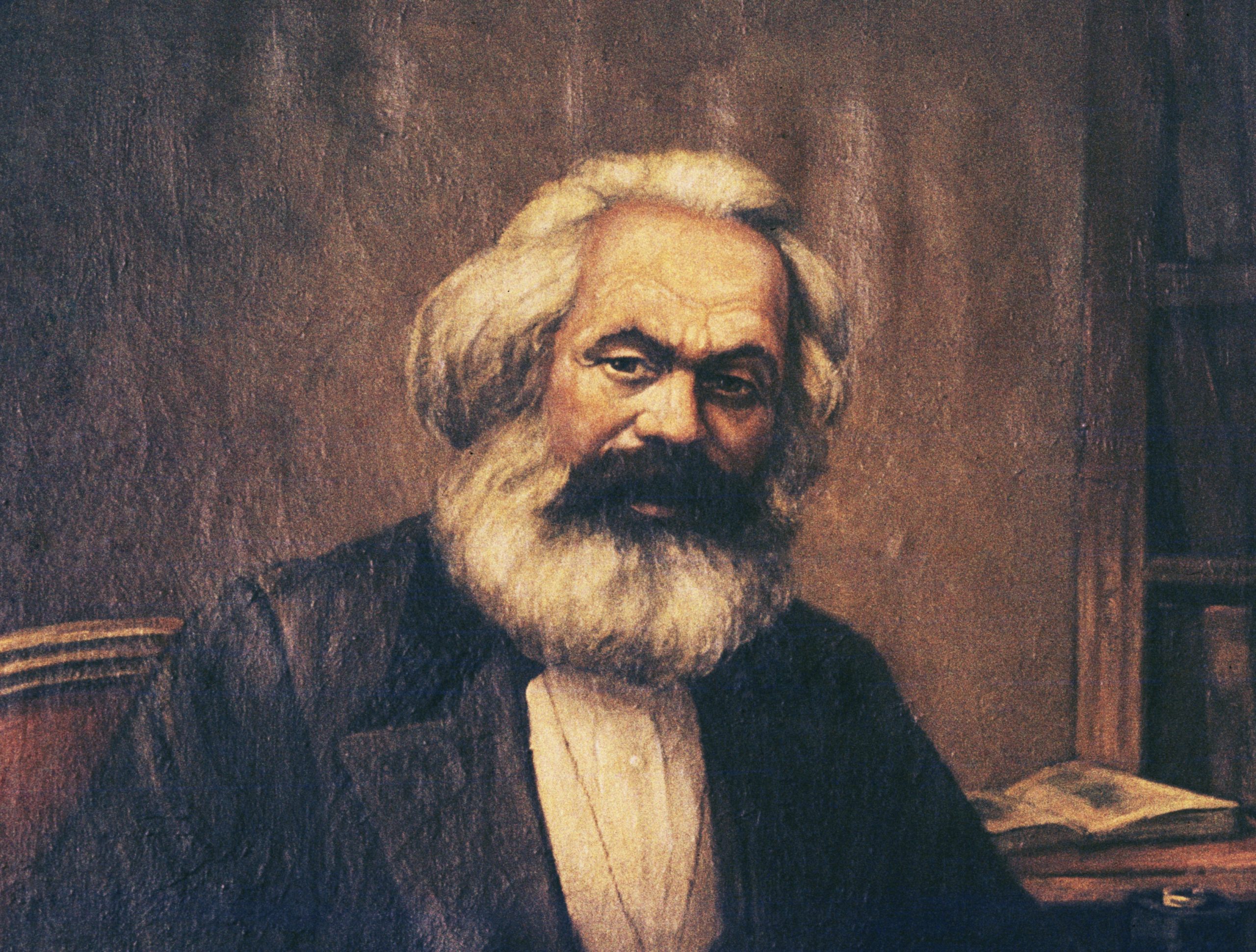
Portrait of Karl Marx from the 1870s. (ullstein bild via Getty Images)
Marx is often understood to be deeply skeptical, if not dismissive, of morality. Capitalist society, he is generally understood to have thought, is reproduced through the domination of workers by capitalists, a coercive relationship in which moral questions around right and wrong hardly figure.
In her new book, George Washington University professor of philosophy Vanessa Wills seeks to complicate this picture. Marx’s Ethical Vision (2024) shows that the founder of historical materialism held nuanced views about the role that morality played in political struggle. Motivated by Wills’s own background in antiwar activism, which was spurred by America’s 2003 invasion of Iraq, Marx’s Ethical Vision asks how class exploitation ought to be understood in a world in which racism, sexism, and other forms of discrimination exist. In the following interview, journalist and historian Daniel Falcone speaks with Wills about her new book.
Daniel Falcone
Could you explain how you came to be interested in thinking about Marx from an ethical perspective?
Vanessa Wills