For Pamela Paul, Free Speech Attacks Over Palestine Don’t Count
The New York Times’s Pamela Paul postures as a free speech champion. Yet somehow, employers blacklisting student Palestine protesters doesn’t seem to bother her.
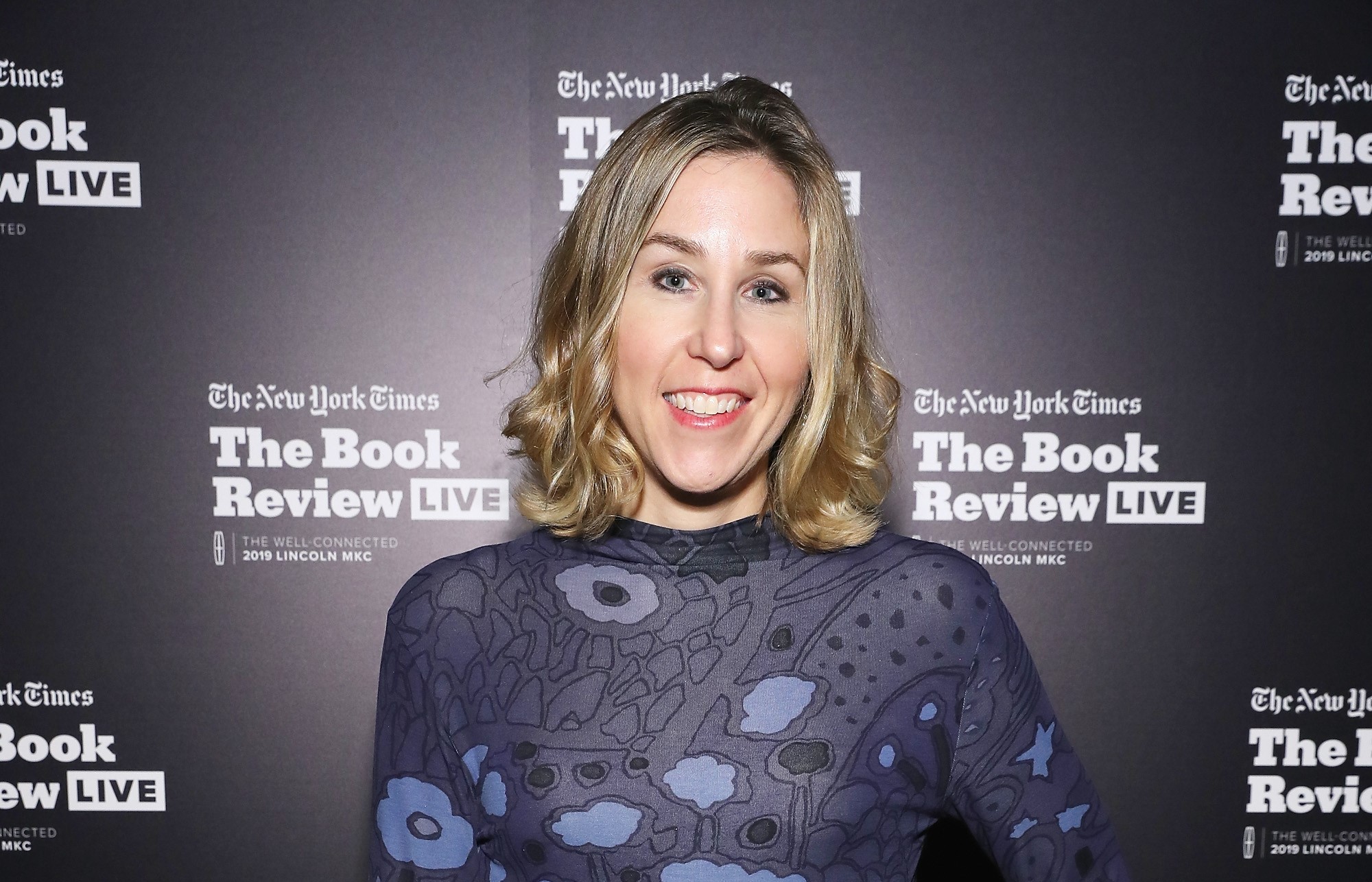
Pamela Paul attends the New York Times Book Review Live on October 23, 2018 in New York City. (Cindy Ord / Getty Images for the New York Times)
New York Times columnist Pamela Paul is very concerned about free speech. Her concerns go well beyond overt censorship like books being taken off the shelves of red-state school libraries — she’s interested in preserving a culture of free speech. In 2022, for example, she sounded the alarm about “a subtler form of repression” that makes “otherwise liberal-minded editors, agents and authors” hold back on publishing books that might invite backlash for violating orthodoxies of the Right or the Left.
Some of these concerns strike me as reasonable. I’ve never been the kind of leftist who thinks that the censorious atmosphere created by “cancel culture” isn’t a problem for free speech (and a whole lot else). But Paul has become so attuned to this kind of thing that sometimes she raises the alarm over a whole lot like nothing. Last year, for example, she wrote a column about a paper called “In Defense of Merit in Science” being rejected by “several prominent mainstream journals” before finally being accepted at something called the Journal of Controversial Ideas.
She seemed to take a paper she agreed with and found ideologically important being rejected as evidence of rampant self-censorship, effectively saying, Look at all these science journals that are afraid to publish these forbidden truths. It never seemed to occur to her that the paper being rejected might just be evidence for the far more mundane fact that it’s really hard to get published by major science journals.