Why Nietzsche Hated Socialism
Throughout his life, Friedrich Nietzsche maintained a profound contempt for socialism. According to him, its advocates — and all other defenders of egalitarianism — had a single aim: leveling differences and suppressing individual genius.
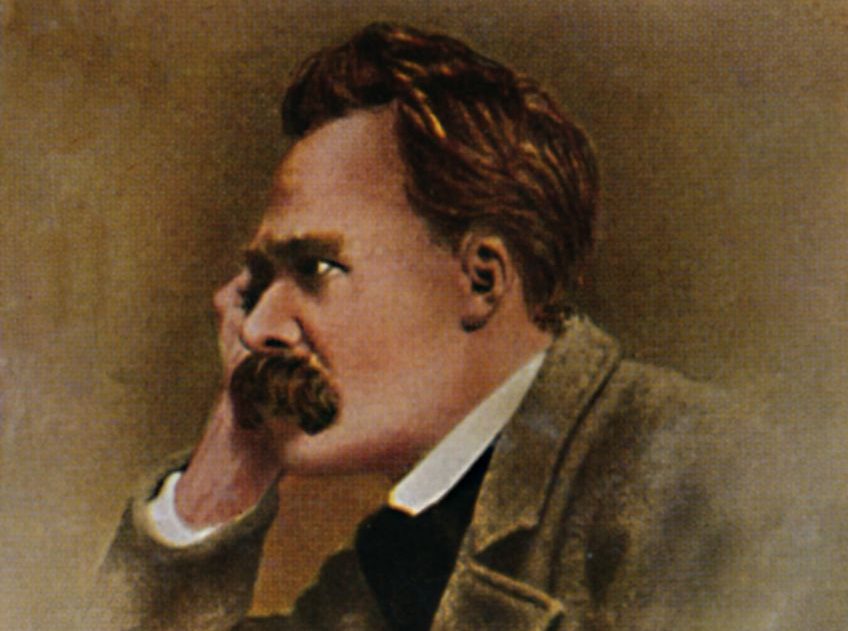
A 1934 portrait of the German philosopher Friedrich Nietzsche. (The Print Collector / Getty Images)
Friedrich Nietzsche was born four years prior to the 1848 revolutions — events that ushered into existence an era the German philosopher held in contempt. In his writing, he sought explicitly to create a philosophy that could overturn the slow march of progress by developing an aristocratic ideology hostile to equality.
Despite this, Nietzsche’s writing has long had its admirers on the Left, including French philosophers Michel Foucault and Gilles Deleuze. What drew these thinkers to the iconoclastic writer’s work was a hostility to the sclerotic world that “actually existing socialism” and its Stalinist satellite parties around the world had produced. However, left-wing attempts to embrace Nietzsche have often relied on a naivety about or dismissal of his reactionary politics.
This, the philosopher Daniel Tutt argues in his book How to Read Like a Parasite: Why the Left Got High on Nietzsche, is a grave mistake. The Left must learn from the German thinker’s profound critique of modernity without embracing the authoritarian aspects of it. Jacobin’s Nick French interviewed Tutt about the anti-egalitarian elements of Nietzsche’s thought and how the thinker has influenced the Left since his time, for better and worse.