We Can’t Ignore the Difficult Emotions of Political Defeat
The Left’s long history of defeats has produced an equally long history of difficult emotions. Yet left-wing thinkers have often ignored the emotional experience of political defeat in service of an unrealistic ideal of the selfless revolutionary.
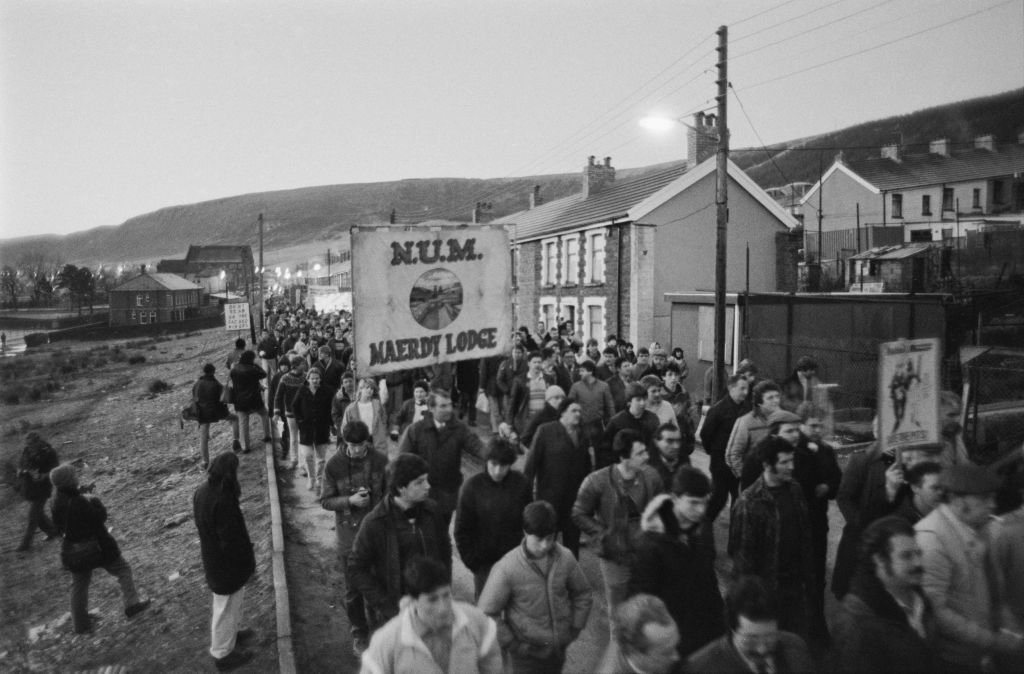
Striking mine workers at Maerdy Colliery, Wales, March 6, 1985. (John Downing / Daily Express / Hulton Archive / Getty Images)
Dwelling on the emotions of political defeat can be disturbing and difficult, but these experiences are undeniably part and parcel of contemporary life on the Left. From the electoral defeat of Bernie Sanders to the state’s crushing of pipeline opposition to the unmet promises of change following the June 2020 George Floyd uprisings, recent history has been studded with moments of huge upheaval followed by the excruciating sense of losing ground.
In her new book, Burnout: The Emotional Experience of Political Defeat, Hannah Proctor traces a historical genealogy of political defeat by exploring eight emotions — melancholia, nostalgia, depression, burnout, exhaustion, bitterness, trauma, and mourning — central to understanding the contemporary landscape of the Left. She argues that negative feelings are an inescapable part of organizing and offers us various methods that individuals and collectives across the Left have historically used to work through these emotions.
For Jacobin, Cal Turner and Sara Van Horn spoke with Proctor about the importance of addressing the difficult emotions of working to transform society, how ideas of self-sacrifice often collide with lived reality, and what hope really means.