Filippo Buonarroti Was a Jacobin and a Revolutionary Conspirator
Filippo Buonarroti was one of the radicals who sought to turn the French Revolution into a profound transformation of society. A theorist of the secret revolutionary conspiracy, his example inspired the rising labor movement of the 19th century.
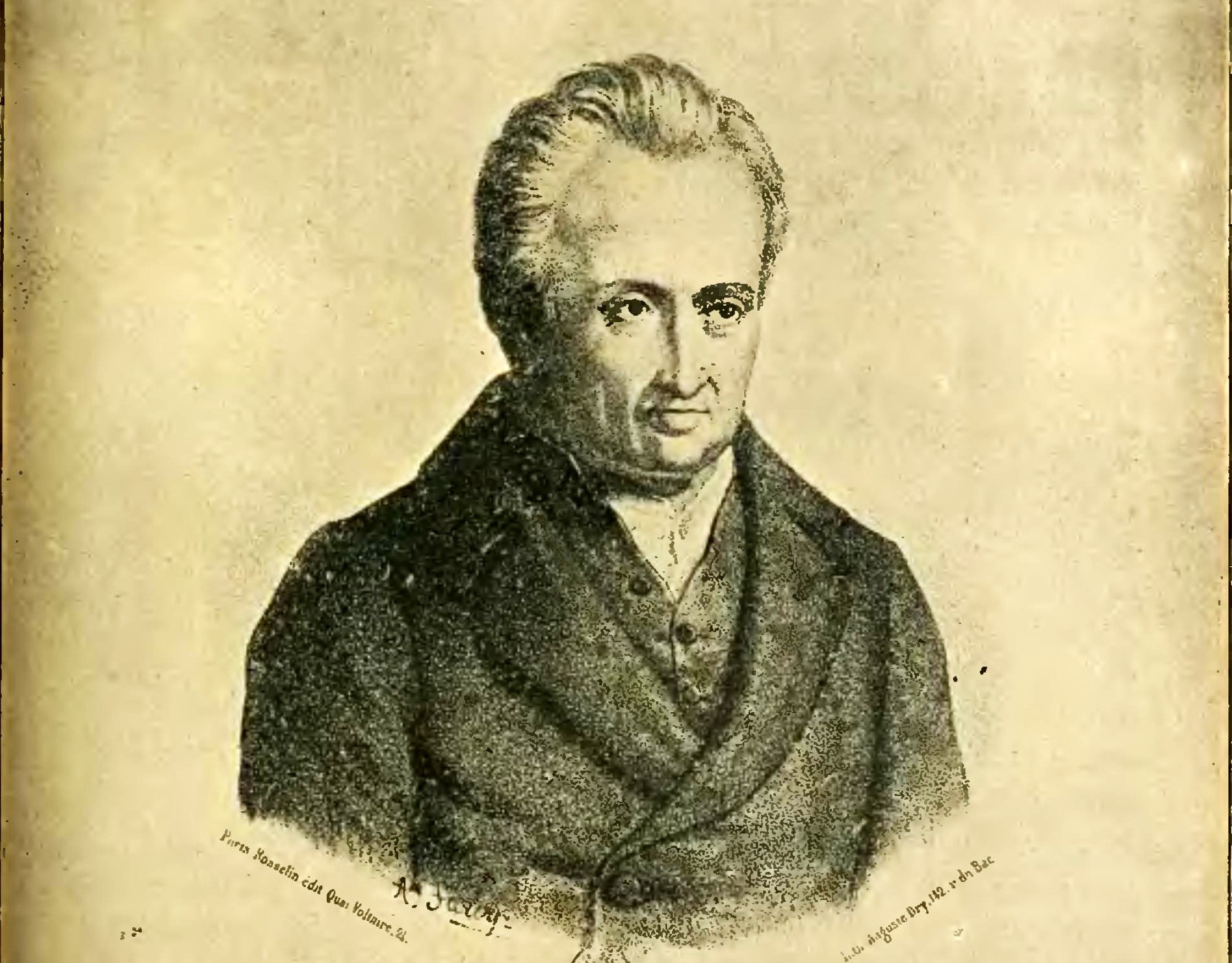
1908 illustration of Filippo Buonarroti. (Wikimedia Commons)
On the island of Corsica in June 1791, the angry inhabitants of the town of Bastia violently expelled an apostle of revolution from their shores. The revolutionary had tried to take refuge from their wrath by hiding in the cellar of an old building. This man, Filippo Buonarroti, was a Florentine nobleman descended from the artist Michelangelo; he became a fervent Jacobin early in the French Revolution, and came to Corsica to advocate the new principles of revolution. Threatened with violence, he had to go into hiding. But he was soon dragged from his hiding place with a rope around his neck and taken to the dock without his hat or even his shoes, where his attackers forced him to board a ship for Livorno on the coast of Tuscany. There, he was imprisoned by the Duke of Tuscany, who took a dim view of his politics. Buonarroti eventually returned to Corsica and then to France, where he applied for French citizenship. Yet he bore no ill will toward the inhabitants of Bastia, instead blaming a conspiracy for his fate.
According to Buonarroti and his fellow Jacobins, conspirators and counterrevolutionaries working in the shadows were to blame for any hindrances or delays in the liberation of the people. Yet later in his own career Buonarroti would become a famous conspirator — and willingly used secrecy to his advantage. Buonarroti, after all, is most famous for his involvement in the conspiracy with the French revolutionary, Gracchus Babeuf, to overthrow the Directory, the government that followed the fall of Maximilien Robespierre in 1794. The Babeuf Conspiracy, or Conspiracy of the Equals, was an attempt to establish a protocommunist, democratic state.