Otto Bauer’s Theory of Nationalism Is One of Marxism’s Lost Treasures
Critics of Marxism say it cannot explain why nationalism is such a powerful force in the modern world. But the Austrian socialist thinker Otto Bauer developed a sophisticated, illuminating theory of nationalism in the 1900s that is ripe for rediscovery today.
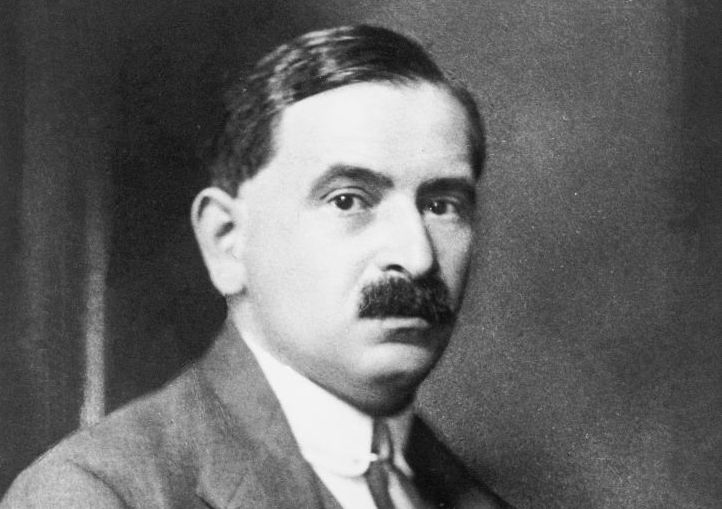
The Austro-Marxist philosopher and social democratic politician Otto Bauer circa 1920. (Imagno / Getty Images)
If we look around the world today, we can see the critical importance of nationalism, whether ethnic or cultural, from Spain to Nagorno-Karabakh, the Uyghur question in China, or the unwinding of the formerly United Kingdom of Great Britain and Northern Ireland.
One might have expected Marxism, as the self-proclaimed “science of history,” to play a major role in analyzing — if not intervening in — such situations, which are bound to multiply as globalization unravels and its contradictions increase. Yet Marxists seem to be torn between Eric Hobsbawm’s admonition not to “paint nationalism red” and the somewhat wooden and not exactly operational Leninist principle of “the right of nations to self-determination.”
Could Otto Bauer’s forgotten work The Question of Nationalities and Social Democracy — written in German in 1907, translated into English in 2000, and then promptly ignored — help us develop a theory of nationalism?