Antonio Labriola Knew That Marxism Was a Philosophy of Action
Antonio Labriola played a major role in the development of Italian Marxism and inspired the thinking of Antonio Gramsci. Labriola knew that capitalism wouldn’t collapse of its own accord: only a socialist culture of activism could bring about a new society.
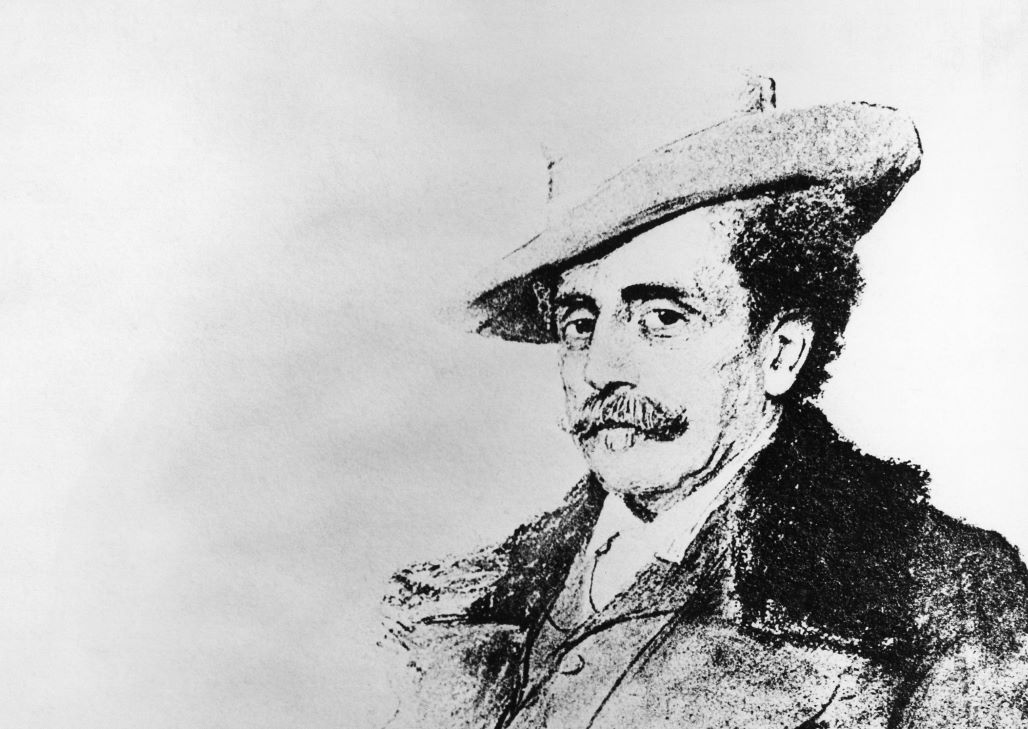
Portrait of Antonio Labriola. (DEA PICTURE LIBRARY / De Agostini Editorial / Getty Images)
The Italian philosopher Antonio Labriola was one of the key figures in the development of Marxism as a theory during the period after Karl Marx’s death. Breaking with the economic determinism of the Second International, Labriola argued against the reduction of Marxism to what he called “a new scholasticism.”
By reconsidering the relationship between base and superstructure in Marxist theory — rejecting the idea that the former determines the latter in mechanical fashion — he challenged a fatalistic understanding of Marxism that was becoming increasingly prevalent among its supporters and critics alike. For Labriola, an economic crisis like the one that devastated Italy’s banking system in the 1890s could not by itself lead to the collapse of capitalism.
On the other hand, Labriola insisted that we could not reduce Marxism to a form of voluntarism, whereby the ideal aspirations of a class could usher in a new world by sheer force of will. For Labriola, the task of achieving communism meant combining the painstaking work of analyzing the totality of “all present factual conditions” with that of “revolutionizing brains, organizing proletarians.”