Martin Luther King Understood Solidarity
Jonathan Eig’s new Martin Luther King biography stirs exhilaration and visceral pain at the unexpected triumphs and vicious violence that King and the freedom movement endured. But it largely leaves out a key piece of King’s legacy: his commitment to labor.
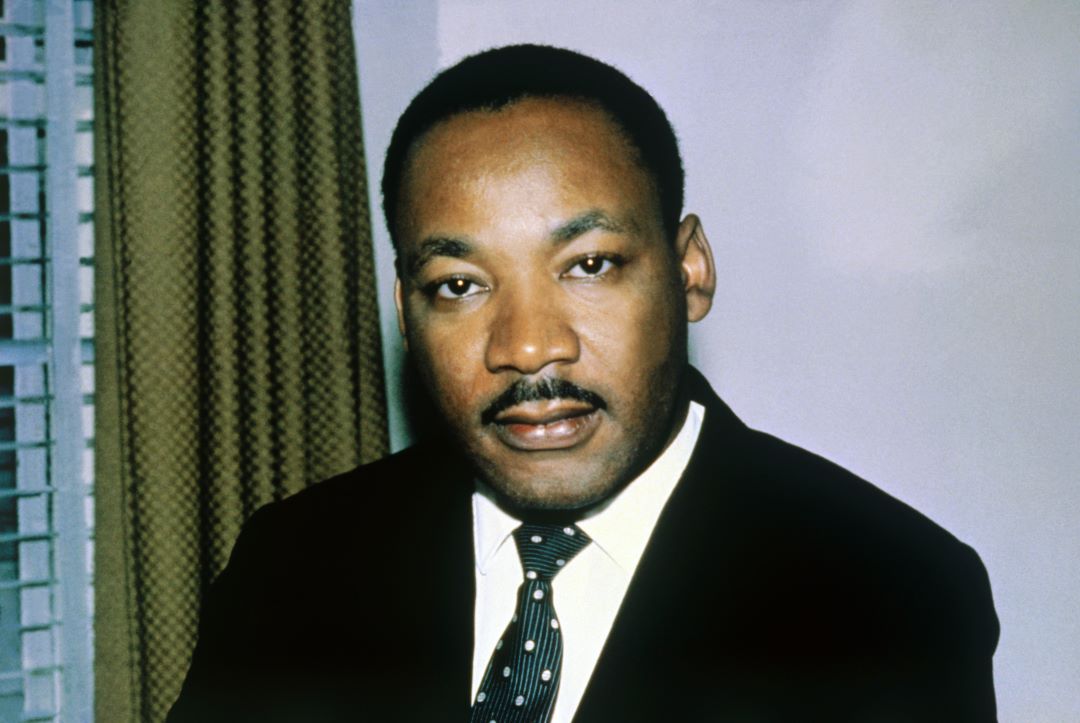
Dr Martin Luther King Jr photographed on May 26, 1966. (Bettmann / Getty Images)
On May Day 2023, a young black man named Jordan Neely in the midst of a mental health crisis cried out that he was hungry and thirsty on a New York City subway. A white male former Marine named Daniel Penny threw him on the floor and choked him to death. Republican presidential candidate Ron DeSantis praised the man and compared him to the biblical Good Samaritan, saying, “Let’s show this Marine America’s got his back.”
Late at night on April 3, 1968, in Memphis, Tennessee, Martin Luther King Jr, interpreted the parable of the Good Samaritan quite differently, describing him as the member of a scorned caste who had risked his life to save a person of the dominant race who had been beaten and robbed and left to perish on the dangerous road from Jerusalem to Jericho. King told this story at Mason Temple to people who had risked a dreadful storm to support 1,300 black sanitation workers, part of the city’s working poor, who were engaged in a desperate months-long strike against the City of Memphis.
The workers and King himself were at a breaking point. A few days earlier at a demonstration, nonstrikers had broken windows, setting off a riot by vengeful white police who sent hundreds of demonstrators to the hospital and killed sixteen-year-old, unarmed Larry Payne. King’s nonviolent leadership and the strike’s success now hung in the balance.