Architects Are Starting to See Themselves as Workers — and Organizing Unions
Though architects have long been seen as privileged creative professionals, they are finding themselves in increasingly de-skilled and exploitative work environments. It’s no wonder that they’re starting to unionize.
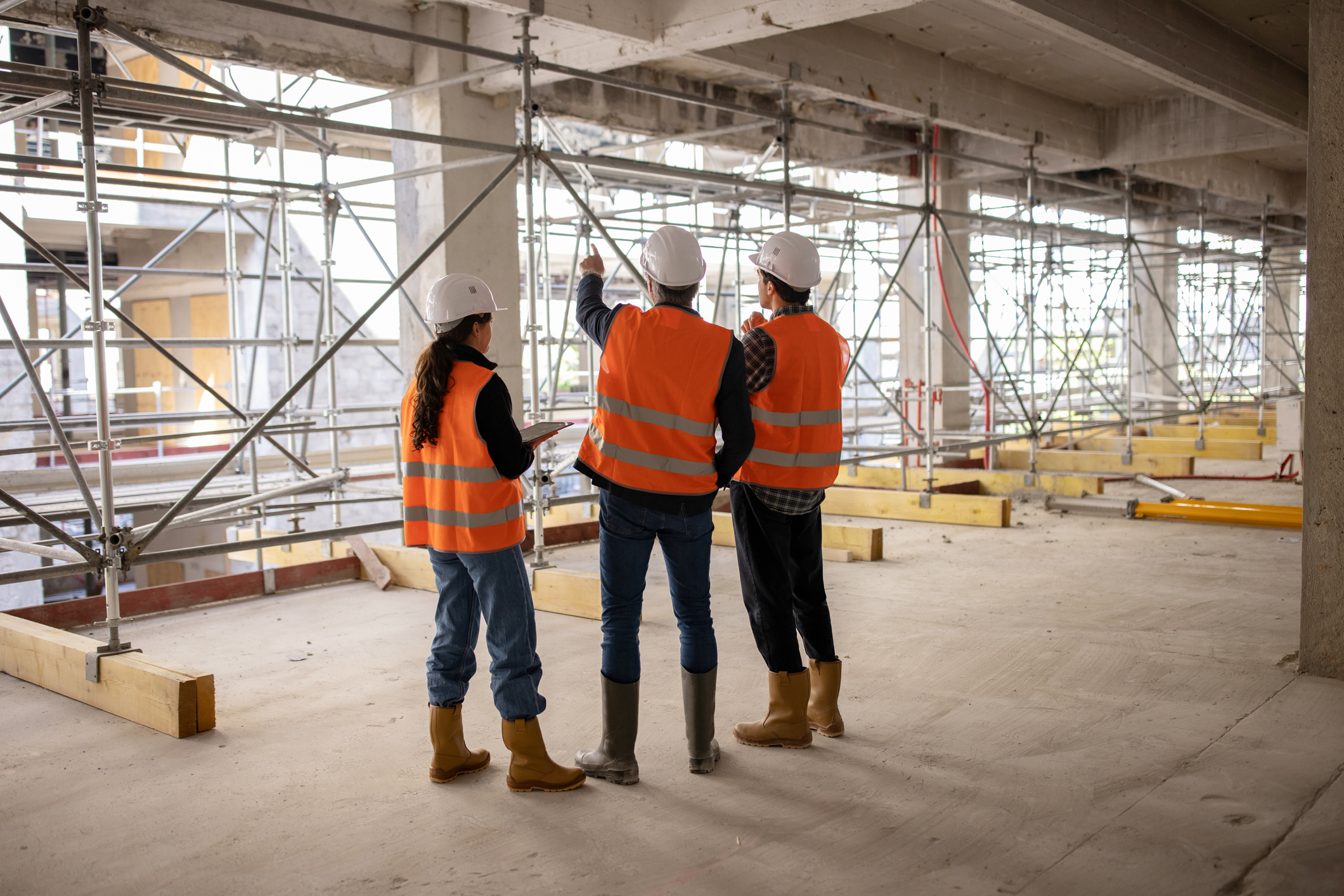
BA Union is now negotiating the first collectively bargained contract in the architecture industry. (Getty Images)
In a moment of heightened interest in unions across the country and an upsurge in militancy among “culture workers” in particular, a new industry is joining the labor movement: architecture. Last fall my colleagues at Bernheimer Architecture and I formed the first union at a private sector architectural practice. BA Union, with the support of the International Association of Machinists and Aerospace Workers (IAMAW), is now negotiating the first collectively bargained contract in the industry.
As the first firm to organize, we stand alone, at least for the moment. The reason it has taken architecture workers so long to begin unionizing is because we have traditionally refused to identify as workers — and, as a result, have failed to see the need for collective organization to improve our conditions. Thankfully, architects are beginning to see the need to unionize to better their own conditions and those of others.
What Do Architects Do?
It’s important to start with a clear understanding of exactly what architects do. Traditionally perceived as what sociologist Max Weber would call a “privileged status group,” they have carried a certain level of, in Pierre Bourdieu’s terms, “cultural capital.” In other words, architects have enjoyed social esteem due to a certain public idea of what they do — designing nice buildings for rich people — and their autonomy as creative professionals. But today, both conceptions mystify more than they help us actually understand architecture.