G. M. Tamás Wasn’t “Hungary’s Last Marxist”
Upon G. M. Tamás’s death last month, even many laudatory obituaries claimed that he marked the endpoint of Hungary’s Marxist traditions. But Marxism isn't dead in Hungary.
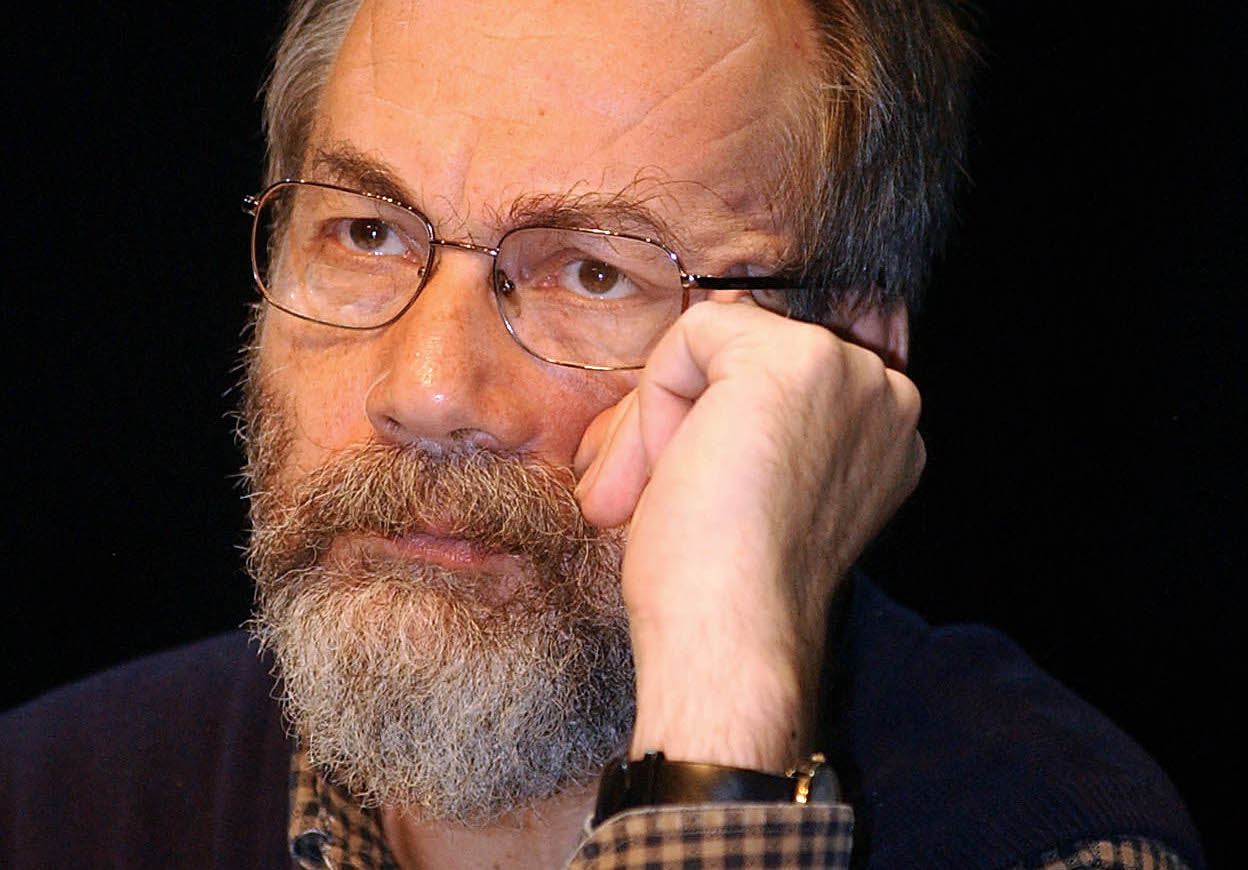
Gáspár Miklós Tamás in Budapest, Hungary, on November 18, 2005. (Wikimedia Commons)
Gáspár Miklós Tamás was, without a doubt, one of the most diverse and creative thinkers in the former Eastern bloc. A Transylvanian Marxist philosopher — also known as TGM, or Gazsi — he left behind a vibrant intellectual legacy, not only as a theorist but as an uncompromising public writer, fierce critic, and caring comrade. In the West, he is most recognized for being a ruthless critic of various authoritarian regimes. But his intellectual path was anything but simple: moving from anarchism to liberalism and conservatism, and then finding his way back to Marxism and socialism. His theoretical work always involved reinvention and questioning all that exists, in a political climate often poisoned by sectarianism and puritanism. He was one of the most original thinkers in the region, with his insight into concepts such as fascism and post-fascism, class and capital, communism and anti-communism, power and democracy, and many more.
Tamás’s memory has been handled in a rather apolitical manner in Hungary. Even far-right prime minister Viktor Orbán shared a tribute to the late philosopher, calling him “the last freedom fighter.” Many such accounts, inevitably, leaned on words like “fighter” or “good fight,” as well as Tamás’s brilliant writing style, sophisticated knowledge, and forceful character — but did not mention the revolutionary type of fight he was actually pursuing. Other obituaries from the right-wing and liberal intelligentsia harped on Tamás’s definitive turn to Marxism. In the past thirty years, when most Eastern European intellectuals drifted further right, his defiant presence proved that there is still a strong tradition of the political left.
Such peers framed his turn to Marxism as an “unfortunate mistake,” a thing of the past that has no legitimacy or future. Some even claim that the Marxist tradition in Hungary is now gone with him. They could not be more wrong. His last book, called Antitézis, was a great success defying any expectations in Hungary. There is an ignorance and unwillingness to deal with a new generation of left-wing Eastern European scholars, intellectuals, and political organizers, for whom Tamás was nothing short of an icon. Upon his death, young scholars from across Central Europe, the Balkans, and as far as Ukraine, paid emotional tributes to their former teacher, mentor, friend, and comrade.