For Workers, Hospitals Have Become the New Steel Mills — Minus the Strong Unions
Health care workplaces have replaced steel mills and auto plants as the nation’s big employers. But while industrial workers once had mighty unions, hospital workers have struggled by comparison to win representation and good contracts.
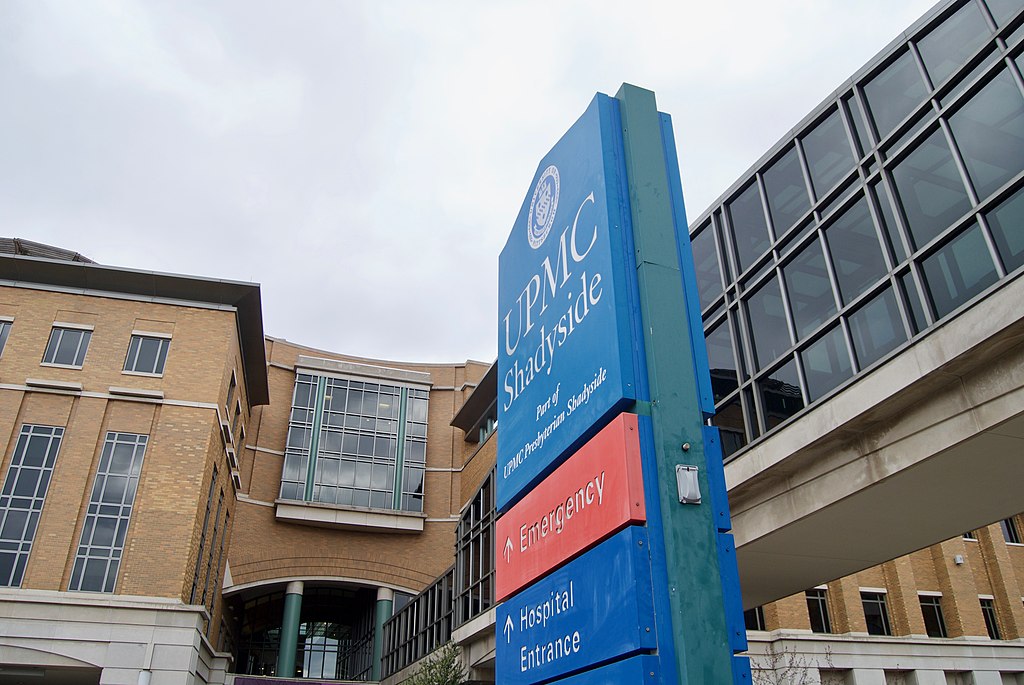
University of Pittsburgh Medical Center, Shadyside, in 2017. (Nick Amoscato / Wikimedia Commons)
How did it come to be that health care is the largest sector of employment in the United States? And why is health care work so much more precarious and less heavily unionized than the dominant industries of eras past?
Gabriel Winant takes up these questions in his book The Next Shift: The Fall of Industry and the Rise of Health Care in Rust Belt America. The book contends that when deindustrialization hit and the New Deal order began to crumble under the neoliberal onslaught, a new system centered around health care emerged along the bygone system’s fault lines. In particular a burgeoning private health care system, funded by both government and collective bargaining agreements, not only survived the crisis but continued to grow, fueling the consolidation of insurance and hospital companies as the cost of care skyrocketed.
Winant’s book is a study of the emergence of the service sector and a new working class out of the wreckage of deindustrialization, told through the story of the rise and fall of unionized steel in Pittsburgh and its replacement by a massive hospital industry. In this new industrial landscape, health care workers — who are disproportionately women of color — were unable to exercise the same sort of power that their white male steelworker predecessors once had.