Christopher Hitchens Was Good Before He Was Bad
A new collection of early writings by Christopher Hitchens reveals the writer as a scourge of American imperialism who skewered Cold War hypocrisies in shining prose. But it also foreshadows Hitchens’s post-9/11 transformation into a neoconservative mascot.
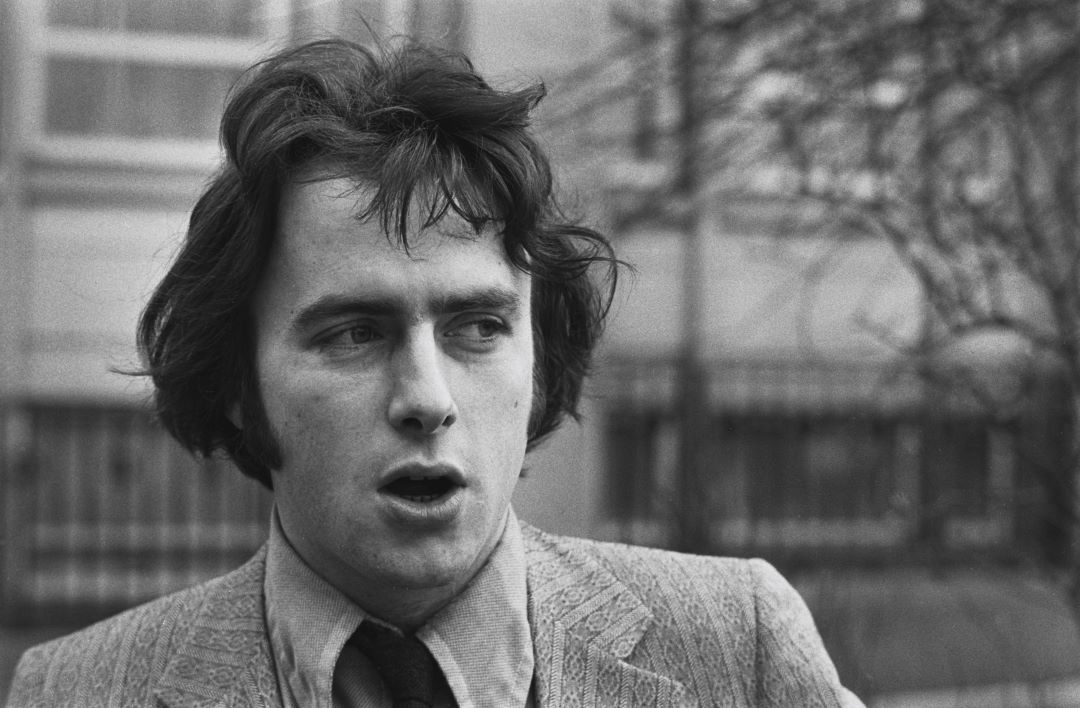
Christopher Hitchens photographed in 1974. (Evening Standard / Hulton Archive / Getty Images)
While there are many memorable passages to be found in the recently published Christopher Hitchens collection A Hitch in Time, one of the most striking appears early in a piece originally published in the leadup to the first Gulf War. Lamenting the sorry state of the debate underway in Congress, Hitchens takes aim at partisans of Operation Desert Storm in what was then his typical fashion.
Another target of his polemic, however, is to be found in some of the war’s ostensibly peacenik opponents — who Hitchens charges with being diffident in their response to its hawks:
Except for a fistful of Trotskyists, all those attending the rally in Lafayette Park last weekend were complaining of the financial cost of the war and implying that the problems of the Middle East were none of their concern. I found myself reacting badly to the moral complacency of this. Given the history and extent of US engagement with the region, some regard for it seems obligatory for American citizens. However ill it may sound when proceeding from the lips of George Bush, internationalism has a clear advantage in rhetoric and principle over the language of America First.