Barbara Ehrenreich Was an Unabashed Socialist
The writer Barbara Ehrenreich, who died earlier this month, believed in a humanistic Marxism. Nowhere was this conviction more on display than in her writings on the sexism and cruelty of America’s for-profit health care system.
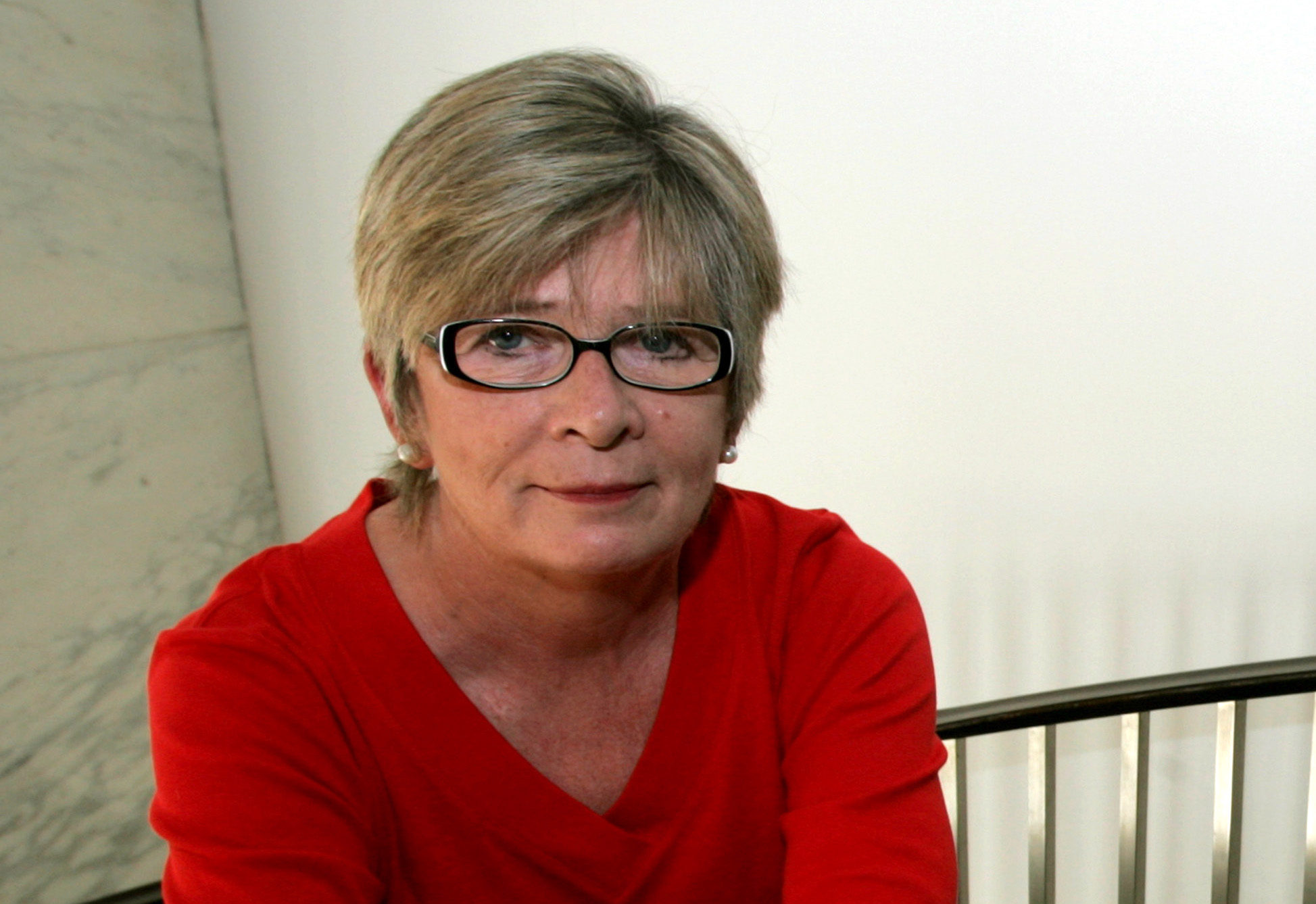
Barbara Ehrenreich in Chicago, Illinois, 2005. (Phil Velasquez / <cite?Chicago Tribune / MCT)
Barbara Ehrenreich, the author of countless essays and over a dozen books, most notably Fear of Falling (1989) and Nickel and Dimed (2001), was one of America’s most trenchant critics of the miseries endured by the working class and the pathologies of the middle class. In the latter book, subtitled On (Not) Getting By in America, she chronicled her experience working a range of low-paid jobs as a waitress, housekeeper, and retail worker in Key West, Maine, and Minnesota. Taking the position of both journalist and participant she ran the risk of cosplaying as working class. This was a danger which she managed to sidestep because, unlike similar attempts to find out what blue collar life was “really like,” Ehrenreich’s was rooted in a Marxist humanism which insisted that the correct politics followed from an accurate understanding of people’s experiences.
In 1977, she, along with her husband and longtime collaborator, John Ehrenreich, coined the term PMC (professional managerial class). Motivated by frustrations at what she in a 2018 interview described as the “contempt” for many working class people held by leftists with college backgrounds, she insisted that, though fighting for socialism required cooperation between these different strata, the Left should be attentive to the differences in perspective which social backgrounds create.
Unequivocally, she maintained that such differences did not close off the possibility of politics, in some respects, it opened alternative perspectives. For instance, Ehrenreich at times took issue with the Left’s knee-jerk deference toward union leadership which, she argued, often came at the expense of the rank-and-file members.