The Federal Reserve Wants Lower Wages for Workers, But Not Wall Street Execs
Federal Reserve chair and former private equity exec Jerome Powell has promised to tackle inflation by lowering workers’ wages. At the same time, he has declined to implement a law to reduce the skyrocketing paychecks of his former colleagues on Wall Street.
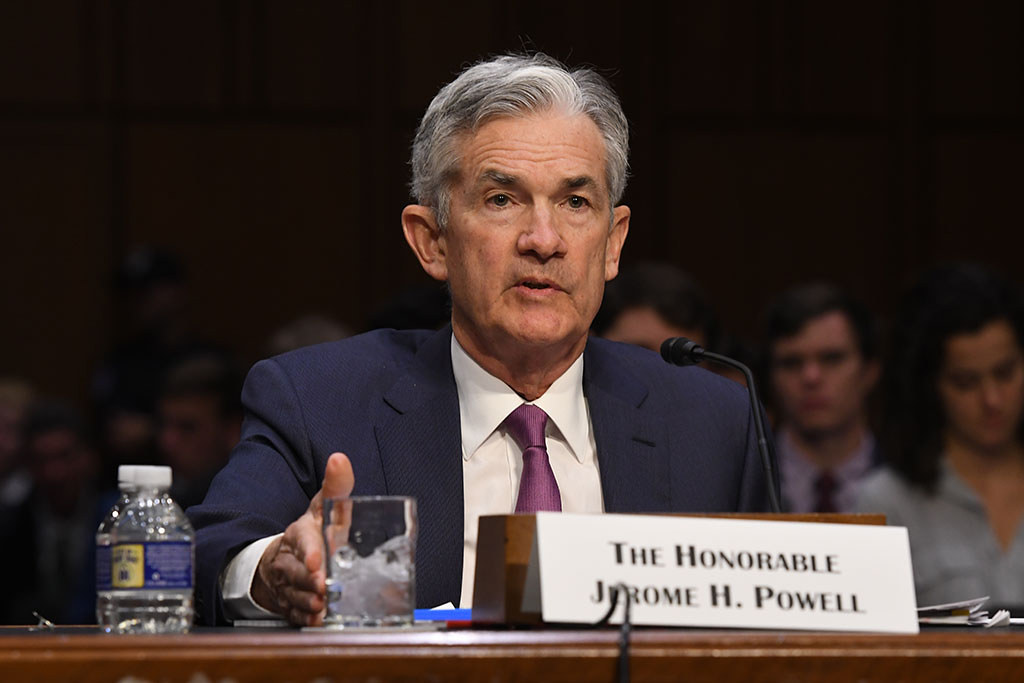
Federal Reserve chair Jerome Powell’s anti-inflation campaign has focused on raising interest rates to reduce the money supply — a policy that tends to increase unemployment and put downward pressure on rank-and-file workers’ wages. (Federal Reserve / Flickr)
While former private equity executive and Federal Reserve Bank Chair Jerome Powell takes aim at workers with a pledge to “get wages down” to combat inflation, he has declined to implement a law to reduce the skyrocketing paychecks of his former colleagues on Wall Street. He has also approved and financed a merger wave that critics say has inflated the cost of consumer financial services.
The 2010 Dodd-Frank financial reform law mandated the creation of a rule to rein in Wall Street bonuses. The rule is supposed to be developed and implemented by six regulatory agencies, including the Federal Reserve that Powell runs.
But as he has sounded the alarm about inflation and wages, Powell has so far has done nothing to help create that rule, even as Wall Street bonuses just hit an all-time record at $45 billion in a single year.