Fernanda Melchor’s Novels Look Dispassionately at Violence and Poverty
Without moralizing, the Mexican writer Fernanda Melchor’s novels look unflinchingly at cruelty and poverty. Her work is a model for how to think about the ambiguity of human relations.
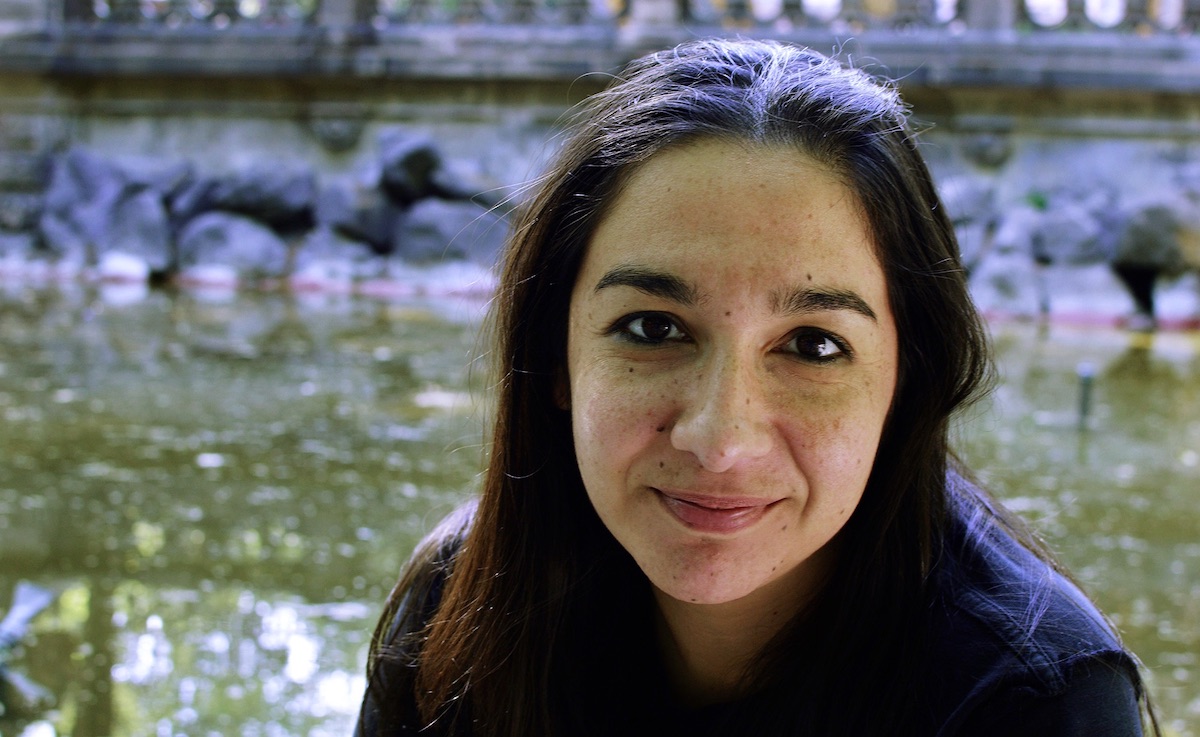
Mexican novelist Fernanda Melchor isn’t interested in moralizing — she just wants to let the tape run. (Universidad de Guadalajara)
“It was all fatboy’s fault, that’s what he would tell them,” opens Paradais, the newest novel by the acclaimed Mexican writer Fernanda Melchor, translated by Sophie Hughes. The “it” in question here is the murder of a wealthy family whose lives play out on the periphery of the novella’s two main characters. “Polo just did what he was told, followed orders.”
Melchor’s fourth book, and her second to be translated into English, Paradais reprises some of the themes of her electrifying English debut Hurricane Season: the intense claustrophobia of poverty, the kaleidoscopic quality that the “truth” of a crime has, and the almost incidental brutality of teenage boys.
Where Hurricane Season unfolded in the fictional Mexican village of La Matosa, Melchor’s latest offering takes place in Paradais, a luxury gated development serviced by workers from the impoverished surrounding areas, among them Polo, our sixteen-year-old narrator. Bored and simmering with resentment, Polo strikes up a cynical friendship with one of the development’s residents, Franco “fatboy” Andrade.