Peter Bogdanovich Embodied an Era When Cinema Really Mattered
Writer, director, and actor Peter Bogdanovich died last week at 82. His rocky career as a filmmaker, actor, and critic is a testament to an era in which the public took film seriously — and filmmakers took the public seriously.
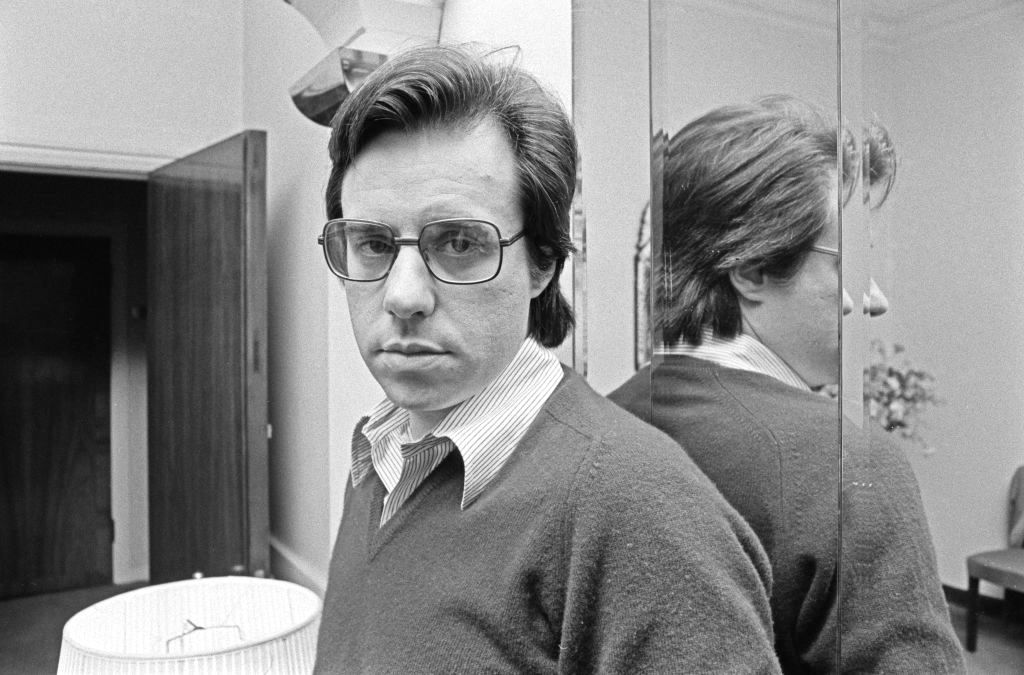
American director and screenwriter Peter Bogdanovich in 1973. (Evening Standard / Hulton Archive / Getty Images)
One of my favorite works by the recently deceased writer-actor-director Peter Bogdanovich is a monograph called Fritz Lang in America. In it, he very sensibly argues that Lang’s directorial work in America is every bit as great and important as what he’d done in Germany, though he enjoyed nothing like the lofty status of cinematic god that Lang had once held.
In America, Lang dropped down to lower budgets and far less prestige at several different studios than was typical of all those mighty masterpieces done at UFA in Germany such as Die Nibelungen (1924), Dr Mabuse the Gambler (1922), Metropolis (1927), and M (1931). But once in America, Lang was so central to the creation of the genre that came to be known as “film noir” that it’s possible to make the case that he invented it, bringing his German Expressionist sensibility to bear on what he was observing in American culture with Fury (1936) and You Only Live Once (1937). And of course, Lang went on to make many definitive noirs such as The Woman in the Window (1944), Scarlet Street (1945), The Big Heat (1953), The Blue Gardenia (1953), While the City Sleeps (1956), and Beyond a Reasonable Doubt (1956).
The point being that Bogdanovich was making a case against a wrongheaded but widespread cinema-snob notion, a case that seemed fairly obvious and straightforward, and I was filled with envy that he came along at a time when it was possible to make an illustrious name for oneself by obsessing about film and writing smart but modest little books like Fritz Lang in America.