Guillermo del Toro’s Nightmare Alley Paints an Old Noir with Lurid, Fantastical Color
The new Nightmare Alley is wilder than the brilliant 1947 original. But director Guillermo del Toro trades its original expansive sense of human tragedy for a simple, bleak pessimism.
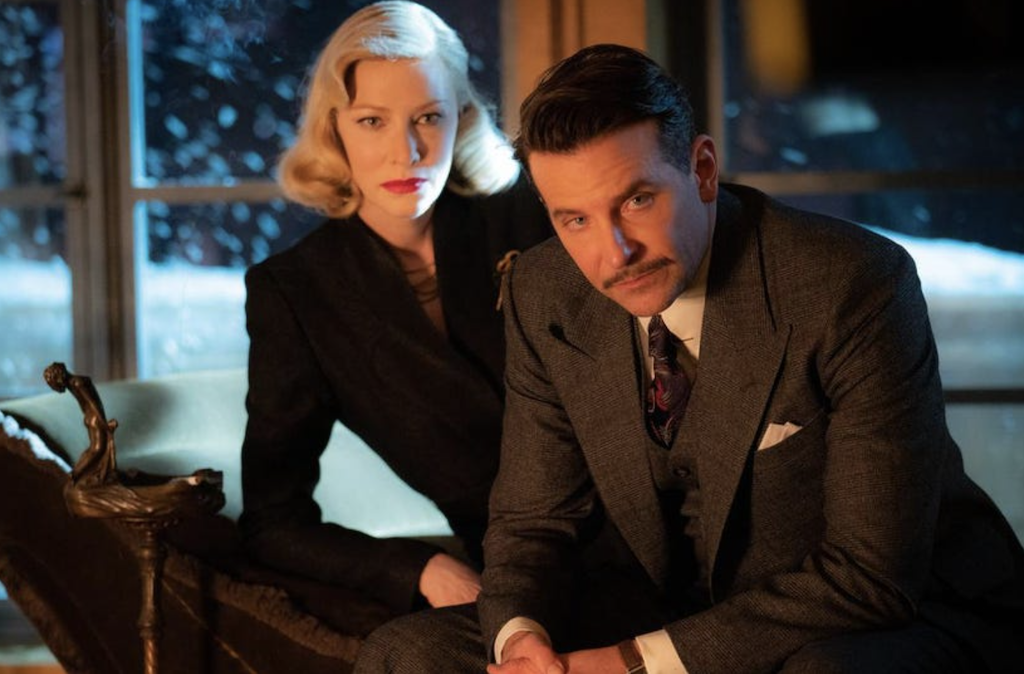
Still from Nightmare Alley. (Searchlight Pictures)
When I came out of a screening of Guillermo del Toro’s Nightmare Alley, which I watched with a total of six other depressed-looking citizens, I saw, for the first time since the pandemic began, a crowded theater lobby.
It was full of people, big herds of teen and preteen friends, and whole extended family groups all chattering excitedly — one clan of six wearing identical red Spider-Man sweatshirts — all there to see Spider-Man: No Way Home, the latest reboot, which just became the first film of the COVID era to make a billion dollars.
Well, it was heartwarming. I don’t care about Spider-Man movies anymore, having had my fill a few iterations ago, but I like to see people enthusiastically enjoy the movies. I keep hoping to have that experience of eager moviegoing again myself someday.