Movies Are Worse Now Because Their Corporate Funders Are Risk-Averse
In the golden age of New Hollywood, creators were given huge sums to take big risks, and it paid off. But movies have come under the control of hedge funds that specialize in risk management. The result: boring, predictable cinema.
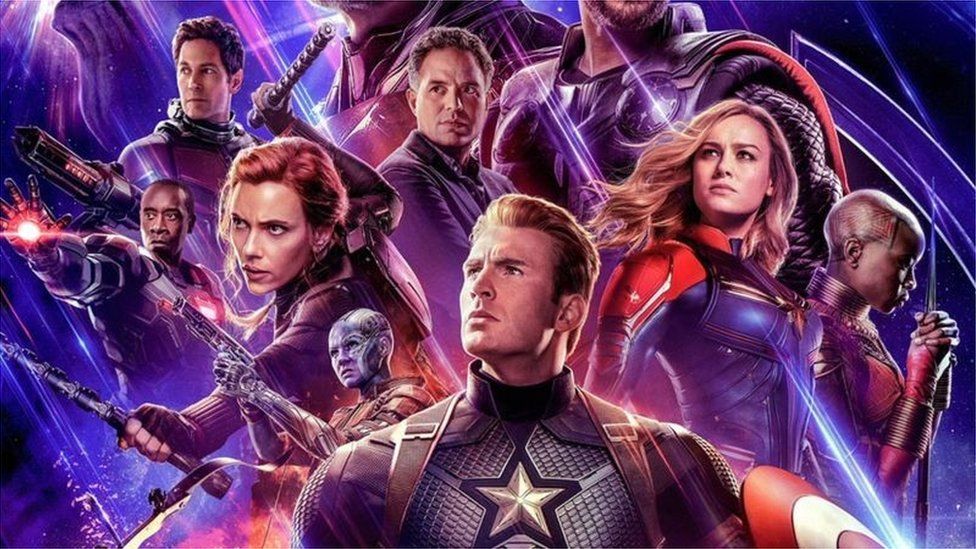
Characters from the Marvel Cinematic Universe film franchise. (Disney)
In a recent op-ed, Martin Scorsese distinguished between “worldwide audiovisual entertainment” and cinema proper, suggesting that the former had begun to supplant the latter. Not everyone enjoyed his commentary on the devolution of the craft, and his remark drew a fair amount of criticism. For others, it rang true as a description of the industry and a warning about where it’s headed.
The reason for this deterioration, in Scorsese’s view, is not a crisis of talent or audiences’ waning appetite for good films. Instead, he posited that contemporary funding structures have removed risk from film. The formulas that investors rely on to secure returns on their investments are making cinema increasingly predictable.
By nature, film is a uniquely collaborative art form that requires an unusually large financial investment. In the best-case scenario, both the artist and the capitalist investor can strike a balance to appease each other’s competing interests — the former to do something unique and interesting, the latter to reduce the chance that it won’t land. But this partnership has become unbalanced in recent years. What was once a fraught but necessary relationship of mutual trade-offs has transformed into a dynamic where only one side makes concessions: artists.