We Need a Socialist Spotify
Streaming services like Spotify shamelessly exploit musicians. But there is an alternative to corporate monopoly music: a music streaming platform built for the common good.
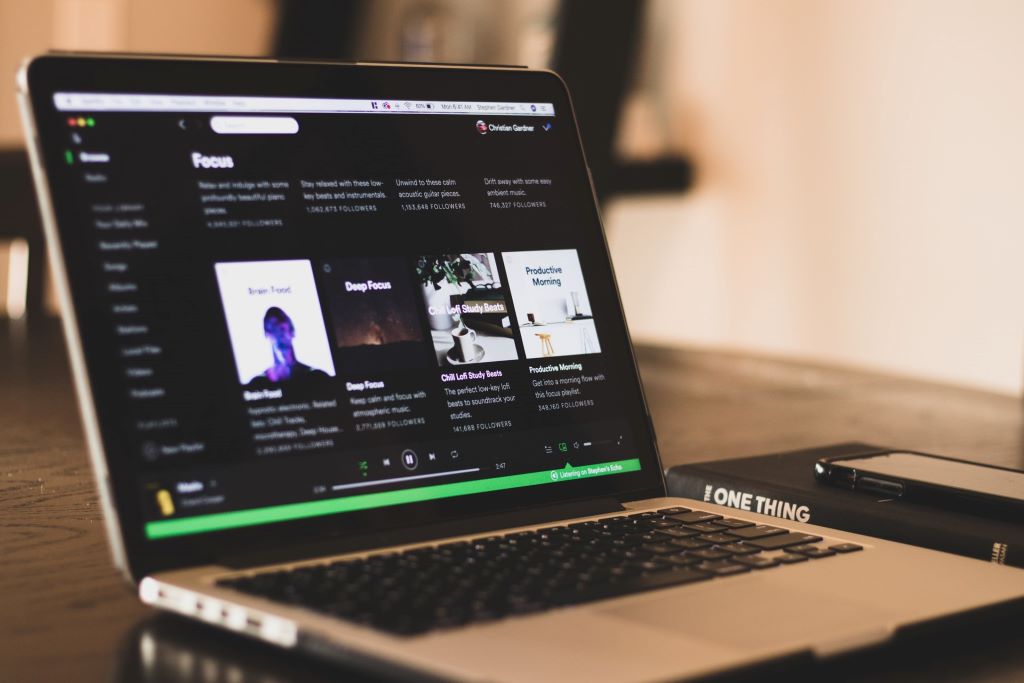
The current music streaming model was not built with artists in mind. (sgcdesignco / Unsplash)
In Perry Henzell’s 1972 cult classic The Harder They Come, aspiring singer Ivan Martin reluctantly accepts a degrading offer of $20 for his hit single from Kingston’s most powerful music label boss, Hilton, who infamously replies that he makes the hits, not the public. Ivan attempts to break the system of injustice and payola to no avail. Eventually, he’s forced into criminal activity to pay the bills, while his record tops the Jamaican charts.
The Harder They Come serves as a representation of an industry built on the foundations of exploitation. With the advent of Web 2.0, where musicians and independent labels could release music to a globally connected audience with very low marginal costs, some argued that the industry would be democratized. In turn, all artists could make a good living, while independent labels could compete on a more equal playing field with major record companies.
However, like most visions of digital utopia, this has turned out to be far from reality. The market share of Big Tech in the music industry has vastly increased over the last few years — streaming has replaced recorded music as the largest source of income within the industry — and digital platforms wield ever more predatory power.