Yanis Varoufakis: Angela Merkel Was Bad for Europe and the World
Today’s German elections mark the effective end of Angela Merkel’s 16-year rule. Yanis Varoufakis writes for Jacobin about how she became Europe’s most dominant peacetime leader — at the expense of Europe itself.
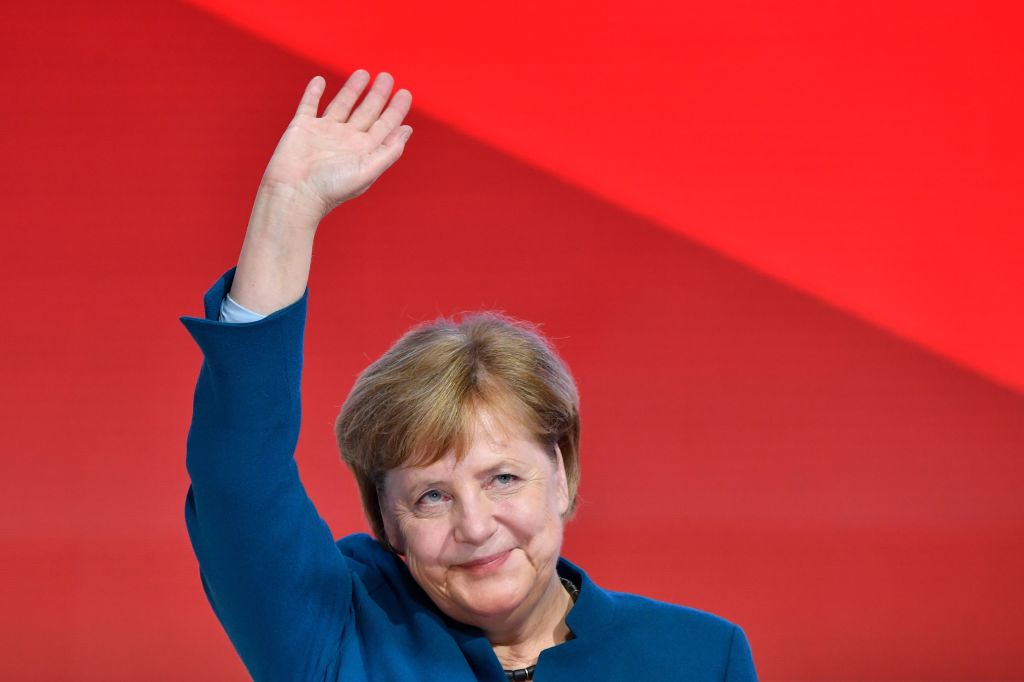
Angela Merkel’s long tenure as German chancellor comes to an end as federal elections take place in Germany today. (JOHN MACDOUGALL/AFP via Getty Images)
Angela Merkel’s tenure will be remembered as Germany’s, and Europe’s, cruelest paradox. On the one hand, she dominated the continent’s politics like no other peacetime leader — and is leaving the German chancellery considerably more powerful than she had found it. But the way she built up this power condemned Germany to secular decline and the European Union to stagnation.
Wealth-Fueled Decline
There is no doubt that Germany is today stronger politically and economically than it was when Merkel became chancellor back in 2005. However, the very reasons Germany is stronger are the same reasons why her decline is assured within a stagnating Europe.
Germany’s power is the result of three massive surpluses: its trade surplus, the structural surplus of its federal government, and the inflows of other people’s money into the Frankfurt banks, as a result of the slow-burning, never-ending euro crisis.