The Feminist Vision of Friedrich Engels
In his book The Origins of the Family, Private Property and the State, Friedrich Engels linked the “world-historical defeat of the female sex” to the rise of class exploitation. Engels helped lay the foundations for a Marxist understanding of women's oppression.
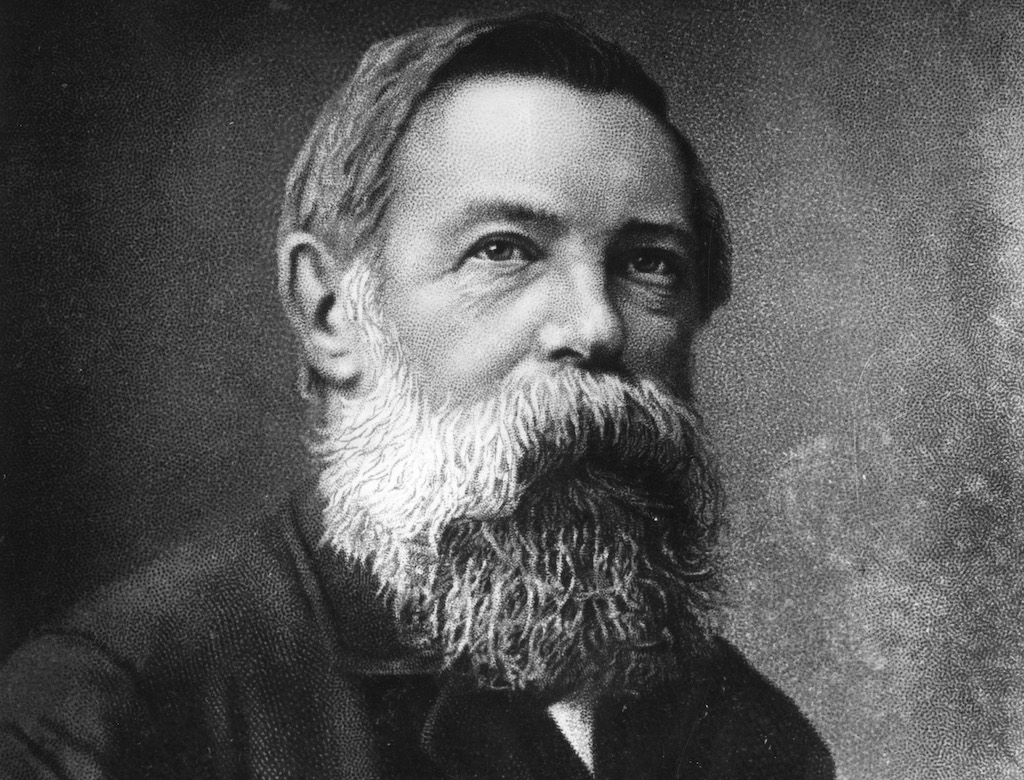
German philosopher and economist Friedrich Engels in Germany, 1845. (Portfolio Mondadori via Getty Images)
The son of wealthy textile manufacturers, Friedrich Engels enjoyed the good life that fortune afforded him, shared his wealth (including, famously, to support Karl Marx’s writing), and (mostly) rebelled against the bourgeois values which he was expected to embody. Scandalously for a man of his background, he had a long-term relationship with an Irish, working-class woman whom he met while working for one of his family’s businesses in Manchester.
Accounts of their relationship credit Mary Burns with guiding Engels through miserable corners of the city and providing him with insights necessary for the development of The Condition of the Working Class in England in 1844. In an intentional rejection of bourgeois values, the two never married.
One gets the impression, however, that this decision made things easier for Engels socially — Mary was by all accounts functionally illiterate and (one imagines with good reason) outspoken. He was devastated when she died, suddenly, at the age of forty: she and Engels had been together for twenty years. Marx’s apparent indifference to his friend’s grief is, according to biographical lore, the source of their one major argument.