The New Candyman Plays It Too Safe for Real Scares
Nia DaCosta’s Candyman reboot is a hit, but unlike the strange and haunting 1992 original, it’s a by-the-numbers horror flick.
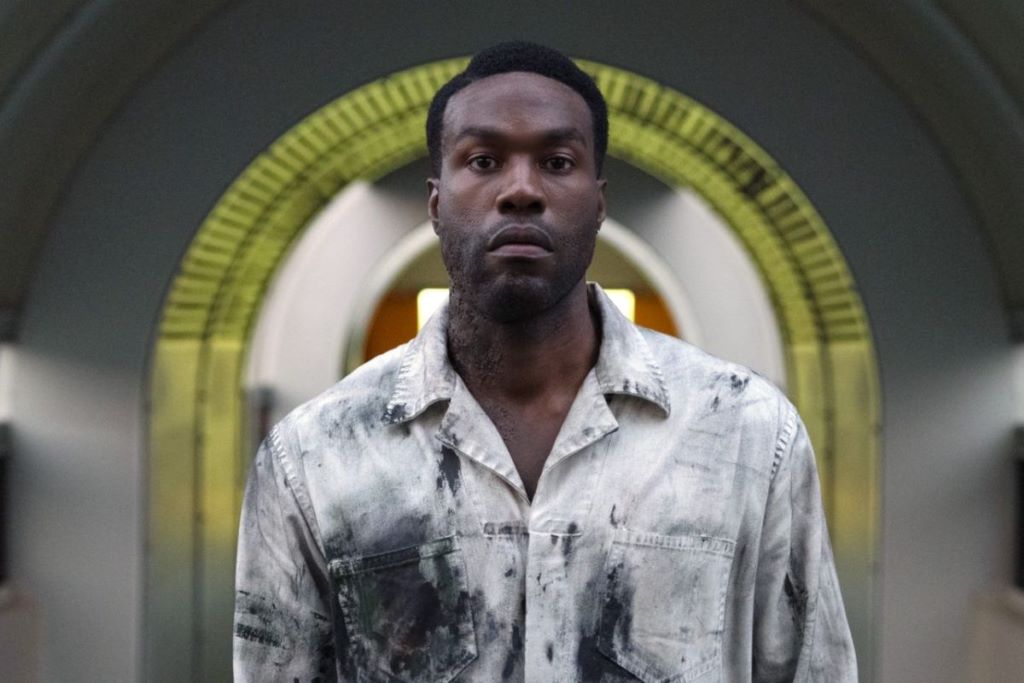
Yahya Abdul-Mateen II plays Chicago artist Anthony McCoy in the new Candyman. (Universal Pictures)
The new Candyman, produced by Jordan Peele (Get Out, Us, Lovecraft Country) and directed by Nia DaCosta (Little Woods) is so popular, it’s already considered a landmark success. It hit number one at the box office on its opening week, a historic first for a black woman director — especially noteworthy because the film “didn’t play it safe.”
Building on Peele’s reputation and DaCosta’s talent, it combined, according to IndieWire, “an element of danger, a sense of the unknown, strong IP [intellectual property] and execution: That’s a good lesson for producers who fear taking risks.”
But what exactly makes Candyman so risky isn’t spelled out. On paper, it has all the right ingredients for a box-office success. Not only are horror films a winning genre right now, but Peele’s got a solid track record for delivering a specific (and profitable) strain of horror drawn from the black American experience. Throw in some cult-classic IP (1992’s original Candyman) to base it on, and you have what any executive could identify as a highly anticipated sequel.