In Red Vienna, Stella Kadmon Was a Pioneer of Political Theater
- Adam Baltner
As Austria turned toward Nazism, the Jewish socialist actress Stella Kadmon brought anti-fascist resistance to the stage.
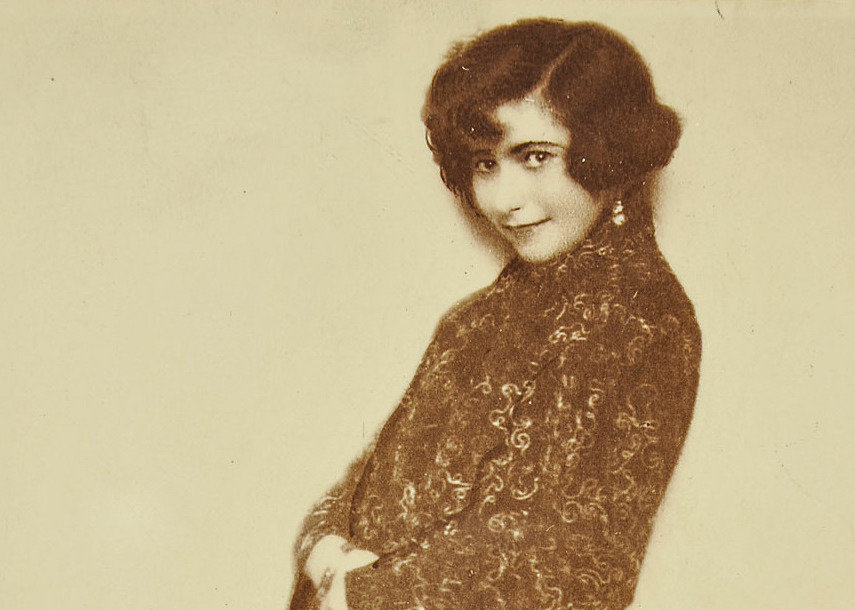
Stella Kadmon, March 1927. (ÖNB)
“I begin without a single penny. When you don’t have any, you can’t go broke — so we have nothing to lose.” With these words, a young Jewish socialist actress from Vienna by the name of Stella Kadmon opened her very own cabaret in 1931. With a little dry Viennese humor and a lot of courage, she made her mark on the theater scene. Today, Kadmon has been almost completely forgotten outside of Vienna, despite her efforts advocating for a more egalitarian and open theater — a demand yet to be fulfilled, as the current debate about sexism and recent #metoo cases in the theater reveals.
Stella Kadmon swept across the Viennese revue stages of the 1920s, making a name for herself as the “Jewish Josephine Baker.” She then turned her back on this extravagant form of theater and opened her own venue, Der liebe Augustin, in the basement of a coffee house. Here, audiences took in a program that alternated between political agitation and entertainment, one that grew more socially critical as Nazism gained in strength.
Kadmon defended her theater against fascist ideology until being forced to flee in 1938. Yet neither during her Palestinian exile, nor after her return to Vienna in 1947, did this stop her from opening more theaters that addressed the horrors of the Nazi period.