Kim San, Martyr of Korean Socialism
From the struggle against Japanese rule in Korea to his work with China’s revolutionaries, Kim San lived a life committed to socialism and the struggle against imperialism. He deserves to be remembered today.
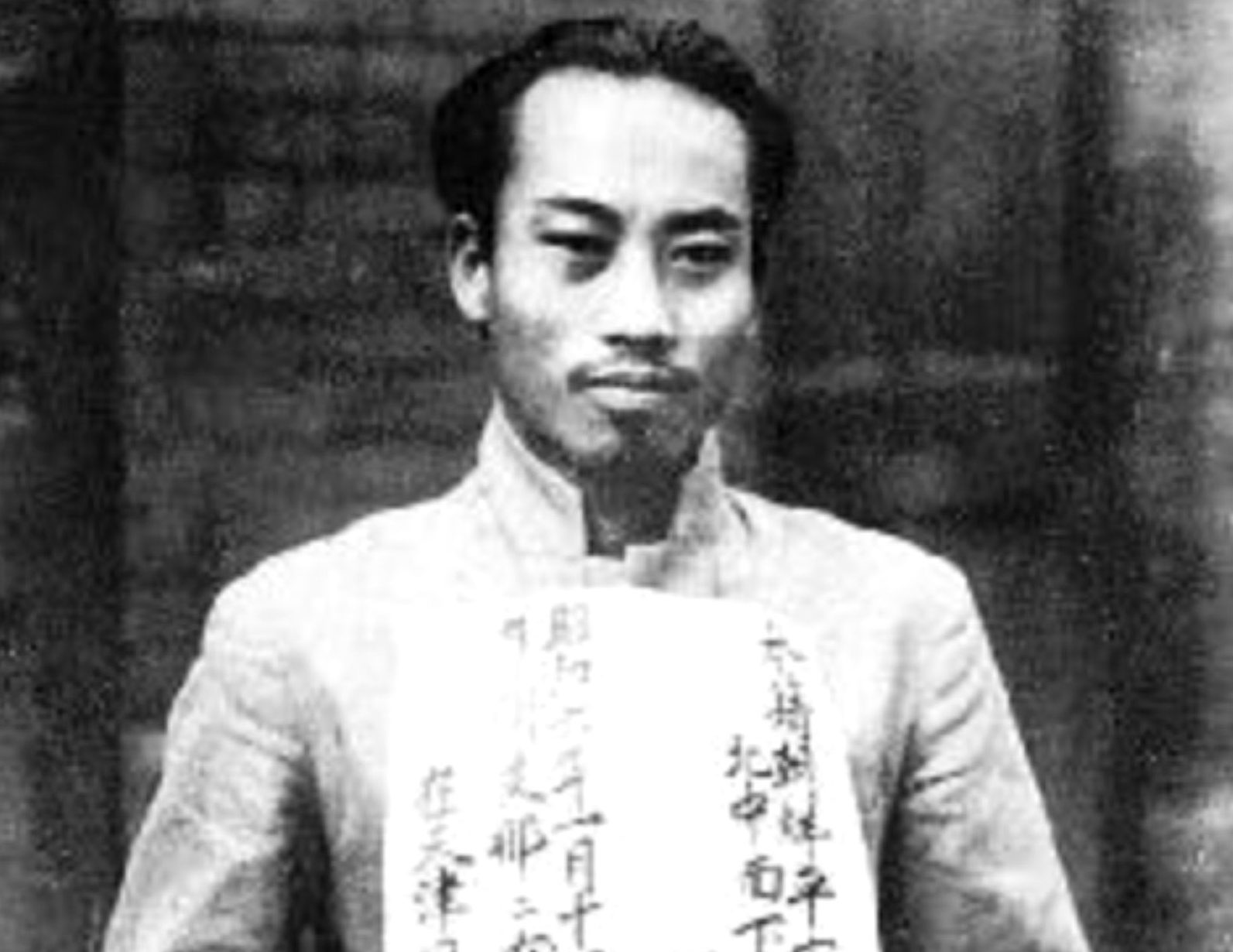
Kim San under arrest, possibly at the Japanese consulate in Tianjin, 1931. The notice on his chest states that he would be banned from China for three years.
Song of Arirang: The Story of a Korean Rebel in Revolutionary China is an extraordinary book that tells the story of a Korean socialist, Kim San, whose life was caught up in the revolutionary struggles of East Asia. In the end, Kim’s own Chinese comrades murdered him in the course of what should have been a joint fight to liberate their countries from Japanese imperialism and build socialism. The book is a vital source on a crucial period in Korean and Chinese history that has many lessons for our own time.
First published in 1941 but long unavailable in English, Song of Arirang is the work of a US socialist journalist, Helen Foster Snow. Snow’s prolific career has often been overshadowed by that of her husband, Edgar Snow, the author of Red Star Over China, a celebrated account of Mao Zedong and the Chinese Communist Party (CCP) on their rise to power.
I first read the book as a college activist in Seoul in the late 1980s, during the final days of Chun Doo-hwan’s authoritarian rule. Chun had seized power in a bloody coup earlier in the decade and was now vacillating between repression and appeasement as he faced mounting resistance by student and labor militants.