How Sweden’s Left Party Stopped the Social Democrats’ Undermining the Welfare State
Sweden's Social-Democratic prime minister Stefan Löfven has just been voted back into office — now having dropped proposals to abandon collective bargaining over rents. The change was thanks to pressure from the Left Party.
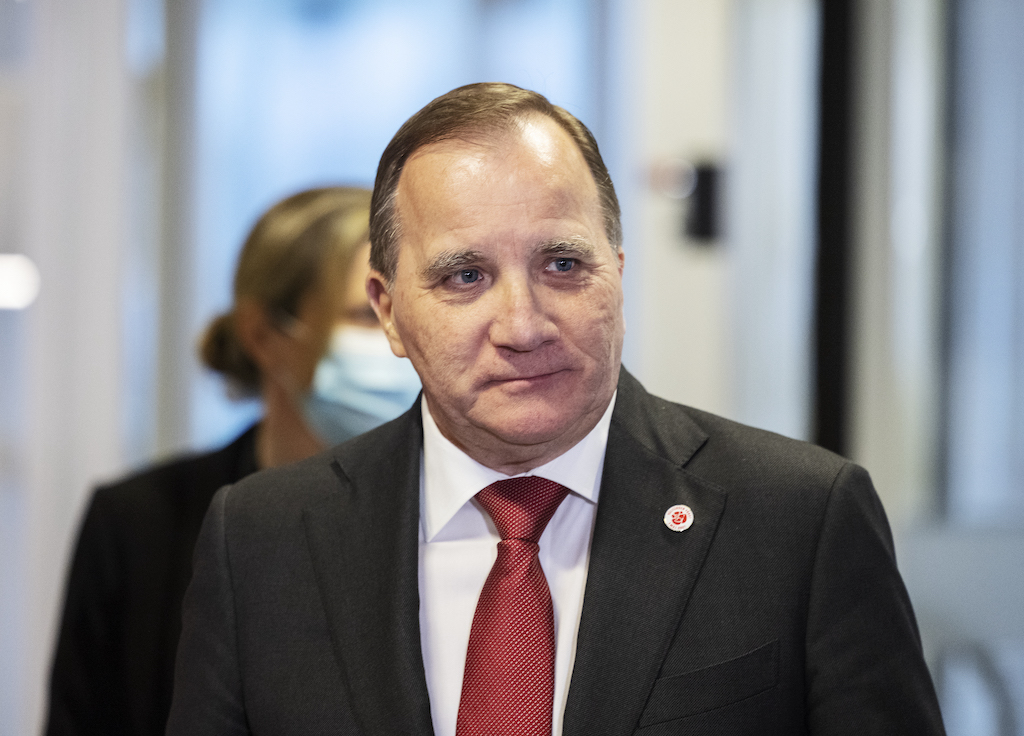
Stefan Löfven has been reelected as prime minister of Sweden. (Nils Petter Nilsson / Getty Images)
At the end of June, a long game of chicken over the deregulation of Sweden’s rental sector culminated in the fall of the government — and in an increasingly popular and confident Left Party. A new “Red-Green” minority government has taken form, having dropped the proposed marketization of rents under pressure from the Left.
What remains to be seen is how long such an administration can survive. The neoliberal Center Party, which was previously decisive to keeping the Social-Democrats in office, refuses to cooperate with the government if the Left Party is given any further influence — despite the risk that such a stance could lead to a right-wing takeover with far-right support.
On June 21, the day of the no-confidence vote against the government, Social-Democratic prime minister Stefan Löfven had accused the Left Party itself of playing with such a risk. He said it had “united with the right-wing conservative parties in a no-confidence vote against the government, forming a temporary majority. To prevent this, the government and its partners proposed a way forward in line with the Left Party’s own proposal. I regret that the Left Party turned this down. I too, like the Left Party, reject market-based rents.”