Sweden’s Left Has to Show Working People That the State Will Protect Them
Sweden is a famous for its welfare system, but recent decades’ neoliberal reforms have made life for working people ever more precarious. The Left Party’s new chair, Nooshi Dadgostar, told Jacobin why rebuilding a strong safety net is decisive for shielding Swedes from the pandemic — and reassuring workers worried by the green transition.
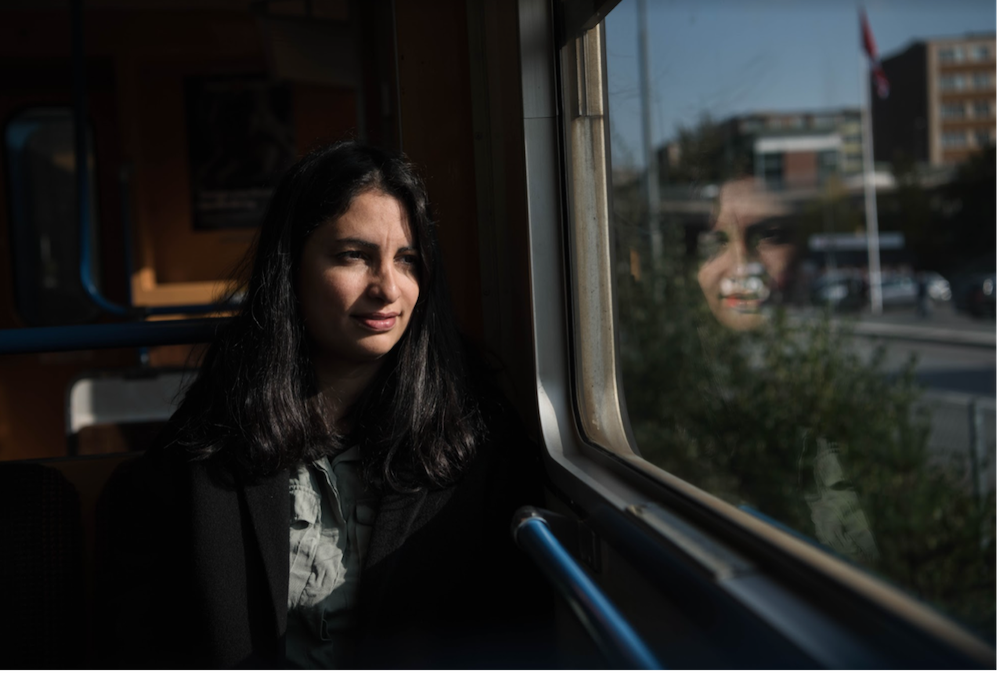
Swedish Left Party chair Nooshi Dadgostar. (Anna Tärnhuvud)
In the English-speaking world, Sweden is often held up as the paragon of social democracy, by progressives and conservatives alike. But in reality, since the 1990s, the Swedish state has turned hard toward neoliberalism — with a series of governments pushing for privatization of welfare services, pensions, and education.
As in many parts of Europe, the Social Democratic Party has facilitated and often led this process. With a storied history of building working-class struggle, the Social Democrats still retain a lot of institutional support among Sweden’s strong labor unions, tenant unions, and social organizations. Yet now, under the strains of the COVID-19 crisis, the slow decay of the welfare state has come sharply into focus.
As the Social Democrats move ever further from their roots, the Left Party hopes that it can win over voters watching the state safety net slowly evaporate. This is the task for newly elected chair Nooshi Dadgostar, a member of Sweden’s parliament since 2014. She spoke to Jacobin’s Ben Beckett about the situation in Sweden and how her party is working to build a Left that can win. The text has been edited for clarity.